
How Much Does Backend Development Cost? (And Why the Rate You Pay Isn’t the Number That Matters)

In this article
Every page that ranks for this question gives you the same answer. Backend developers cost somewhere between $40 and $200 an hour. A backend build runs $5,000 to $20,000 or more. Then a list of “factors that affect cost,” and a contact form. Moving that backend to the cloud is its own project, and a cloud transformation succeeds or fails on whether your team can operate what it builds. The same pattern shows up across every role: what you pay a developer depends heavily on where they live.
That’s all true, and it’s also the least useful way to think about what you’re about to spend.
I’ve built backend systems for 20 years. I co-founded VinSolutions, which became the number one CRM in automotive before it sold, and I founded Stackify, a developer tools company. At Full Scale we now staff backend engineers onto more than 80 client teams. So I’ve signed the invoices, and I’ve watched what people actually pay for. One of the biggest levers on that cost is where you hire: for a Python backend, you can hire Django developers in the Philippines for a fraction of a US senior salary.
Here’s the thing nobody on the first page of Google will tell you: the hourly rate is the cheapest part of backend development. The expensive part is judgment. The architecture someone chooses in month one, the database they pick, the thing they over-build for a scale you’ll never hit. Those decisions cost more than any rate difference, and a cheap developer with bad judgment is the most expensive hire you can make.
Let me give you the real numbers first, then the part that matters.
The short answer: what backend development actually costs in 2026
Backend development cost depends mostly on how you hire, not what you build. Here are the real ranges by model.
| Hiring model | Typical cost | What you’re really paying for |
|---|---|---|
| US in-house senior engineer | ~$150k-$185k base, ~$200k+ all-in | The engineer plus benefits, taxes, equipment, recruiting, and overhead |
| US freelancer / marketplace | $80-$150+/hour | Flexibility, but no continuity and no one who owns the system long-term |
| Offshore freelancer | $25-$60/hour | A low rate and high variance in quality and communication |
| Offshore staff augmentation (dedicated) | ~$35/hour fully loaded | A vetted senior engineer who works as part of your team |
A US software developer earns a median base salary of about $133,000 a year, and a senior backend engineer lands between $150,000 and $185,000 base. But base salary is not what the engineer costs you. The fully-loaded cost of a US employee runs 1.25 to 1.4 times base once you add benefits, payroll taxes, equipment, and overhead. Do that math on a senior backend hire and you’re at roughly $200,000 a year, all in.
And that’s before you find the person. A recruiter or staffing agency will charge 20 to 25 percent of first-year salary to fill the seat, up to 30 percent for a senior or hard-to-fill role. I’ve paid those fees plenty of times. The fee buys you the introduction and nothing after it.
So the honest answer to “how much does backend development cost” is: more than the rate card suggests, and in places the rate card doesn’t show.
What actually drives the number
Four things move backend development cost up or down. Most pricing guides stop here, so I’ll keep it tight and then get to the part they skip.
Seniority. A senior backend engineer costs more per hour and far less per outcome. They’ve made the mistake you’re about to make and they won’t make it again. Juniors are cheaper until you count the rework.
Stack. Node.js and Python engineers tend to cost more than PHP engineers right now, mostly because demand for real-time and AI work is higher. The right answer is the stack your team can maintain, not the trendy one. If you want a longer take on that, we wrote about why companies still use PHP.
Scope. Authentication, payments, real-time features, and AI integrations each add real work. A simple CRUD API is cheap. A system that handles money, scales under load, and integrates four third parties is not.
Maintenance. This is the cost nobody quotes you. Backend code is not a one-time purchase. Someone maintains it, patches it, and keeps it running for years. The build is the down payment. The maintenance is the mortgage.
That last one is the bridge to the real point.
The cost nobody quotes you: the architecture decision
The most expensive line item in backend development never appears on an invoice. That same judgment decides whether your backend needs a rebuild. It’s the decision a developer makes early about how to build the thing.
I’ll give you two of my own.
At VinSolutions, we scaled the number one CRM in automotive to $35 million in annual recurring revenue on essentially one big database server, a maxed-out Dell, plus some read replicas. This was before microservices were the default answer to everything. I babysat that Dell because adding capacity meant a purchase order and a drive to the data center. It was not elegant. It worked, and it let us put our money into the product instead of into infrastructure we didn’t need yet.
At Stackify, the scale was actually there. We ran around 2,000 sharded SQL Server databases to ingest application logs and performance data at a volume no single database could hold. That architecture was expensive and complicated, and it was the right call because the load demanded it.
The difference between those two systems wasn’t the hourly rate of the people who built them. It was judgment about what the business actually needed.
Here’s where the money leaks. A developer optimizing for their own resume, or one who only knows one pattern, will build VinSolutions like it’s Stackify. They’ll hand you a microservices architecture, a message queue, and a Kubernetes cluster to serve 200 users. Now you’re paying for infrastructure you don’t need, complexity you can’t maintain, and a system only the person who built it understands. The rate looked fine. The decision cost you a year.
This is why I tell founders the cheapest developer is rarely the cheapest backend. I call the mistake of hiring for rate alone cheapshoring, and backend work is where it does the most damage, because backend mistakes are invisible until the bill comes due.
How AI changed the backend cost math
You can’t talk about backend development cost in 2026 without talking about AI, because it’s pulling the cost in two directions at once.
Writing the code got cheaper. Google’s CEO said about 75 percent of the company’s new code is now AI-generated. The typing, the boilerplate, the first draft of an endpoint, all of that is faster and cheaper than it was two years ago.
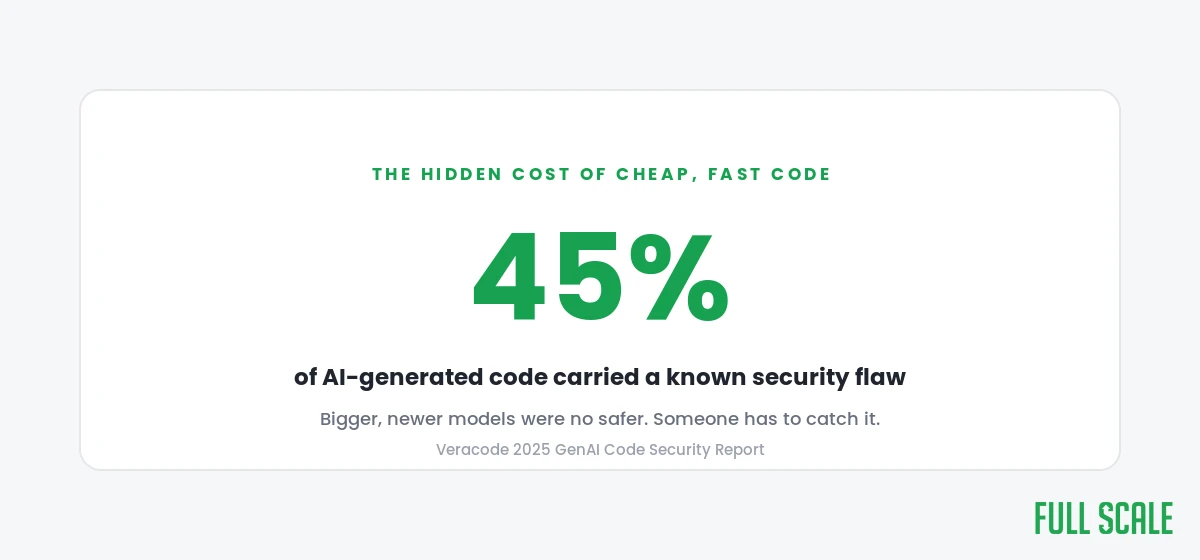
But the judgment got more valuable, not less. In that same announcement, Google was clear that every line is still reviewed and approved by an engineer. And there’s a reason. A 2025 Veracode study found 45 percent of AI-generated code carried a known security flaw, and bigger, newer models were no safer. The flaw is structural, not something that scales away.
So AI made the cheap part of backend development cheaper and the expensive part more important. I joke with clients that we’re all paying developers to babysit AI now, to review what it generates, catch what it gets wrong, and steer it toward something useful. It’s an oversimplification, but it makes the point: you’re not paying for typing anymore. You’re paying for someone who knows when the AI is wrong. That’s the skill that protects your backend, and it’s the one worth paying for.
I’ll go one step further on where I’d actually spend in the AI era. AI is genuinely good at a lot of front-end work now. It won’t hand you the most custom interface, but it’ll give you a solid, standard one fast. I trust it far less on the backend, because the backend is where you have to think ahead: the architecture, the full data model, how the data is structured for the features you haven’t built yet. AI can help with all of that, but it can’t own it. A good software architect who knows how to design a system that scales is going to hold their value for a long time, and on the backend that judgment is exactly what you’re paying a senior to provide.
The offshore option, done right
For most of the buyers asking this question, the real decision is whether offshore backend development makes the cost math work without wrecking the quality. We cover that fork in depth in when to outsource backend development. It can, if you do it right.
The arbitrage is real. You can hire global talent for 50 to 70 percent less than US rates, and that’s a cost-of-living difference, not a skill difference. Smart engineers are everywhere. I’ve personally hired and worked with developers in Russia, Latin America, India, and the Philippines, with different levels of success in all of them.
The trap is treating offshore as a way to buy the cheapest hour. That’s cheapshoring again, and it’s how you end up with the resume-driven architecture I described above, except now it’s also six time zones away.
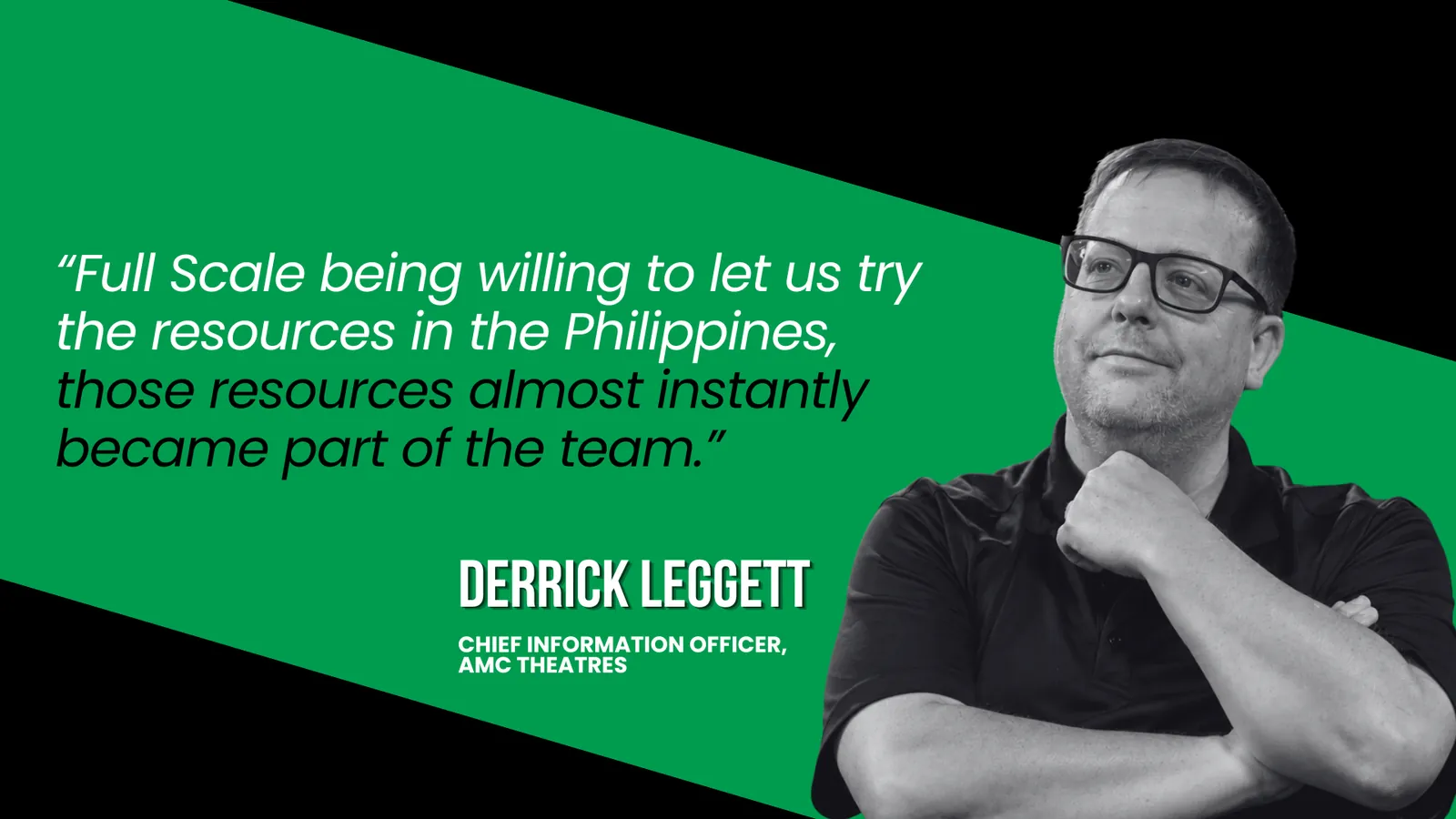
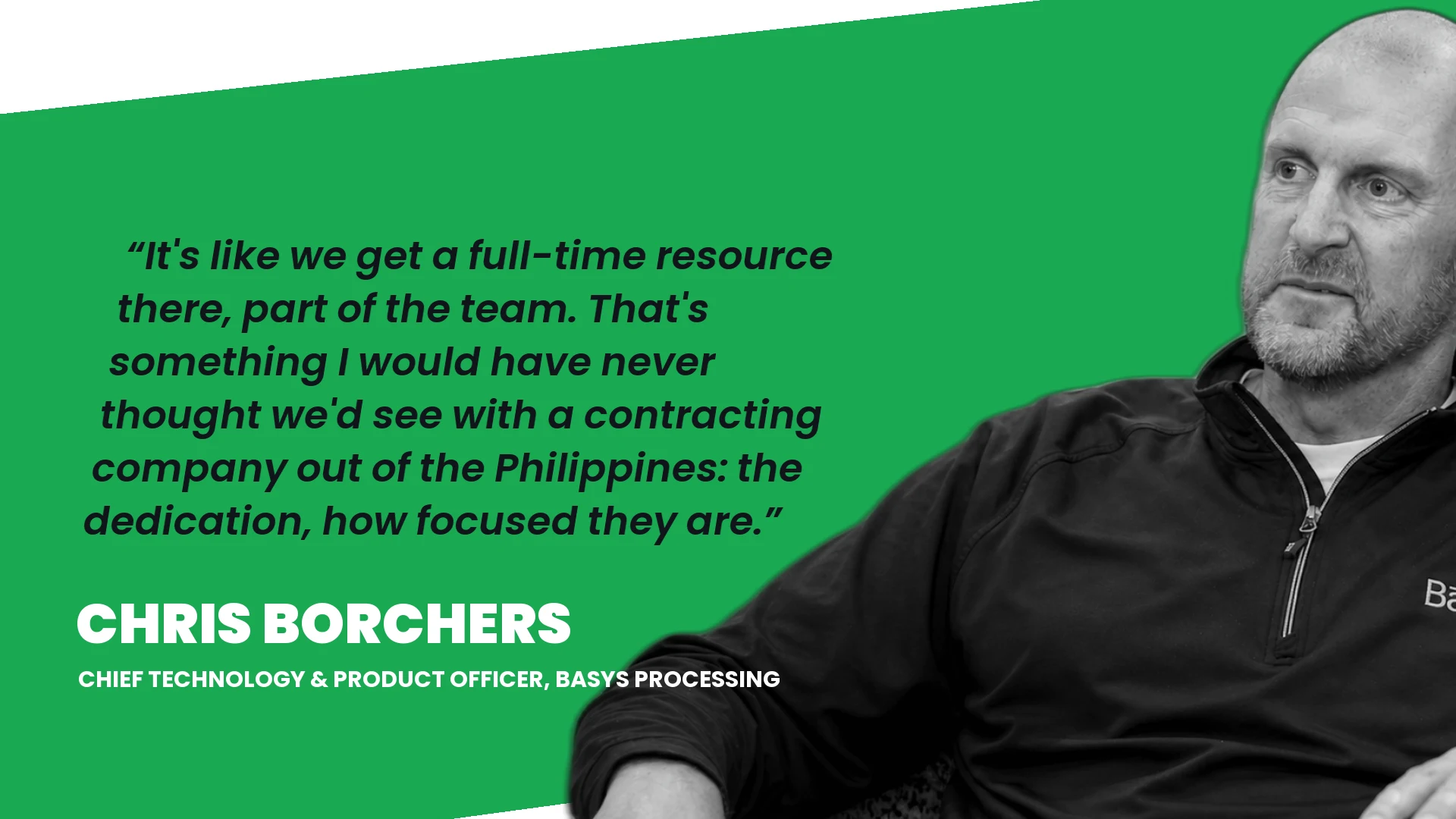
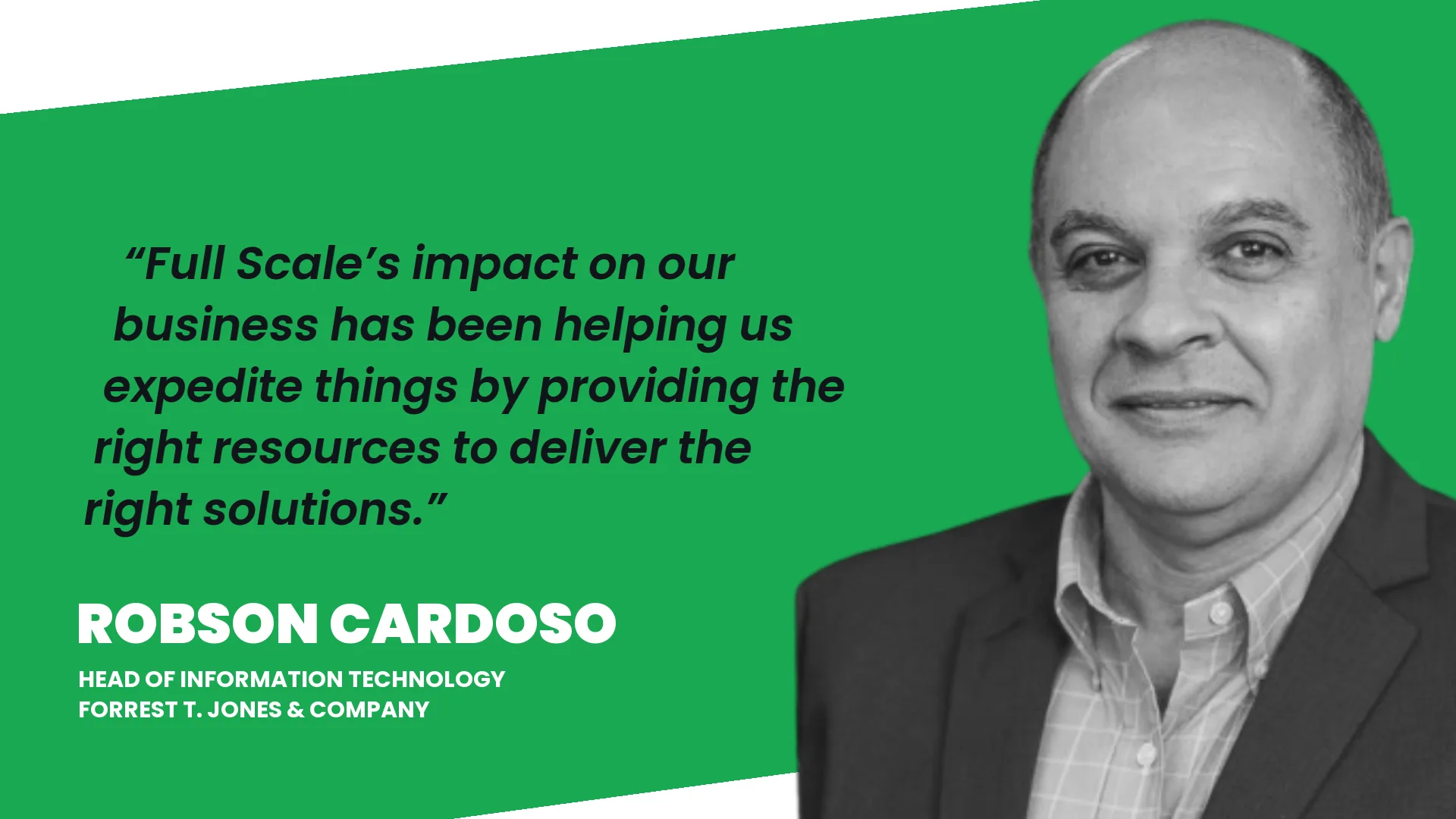
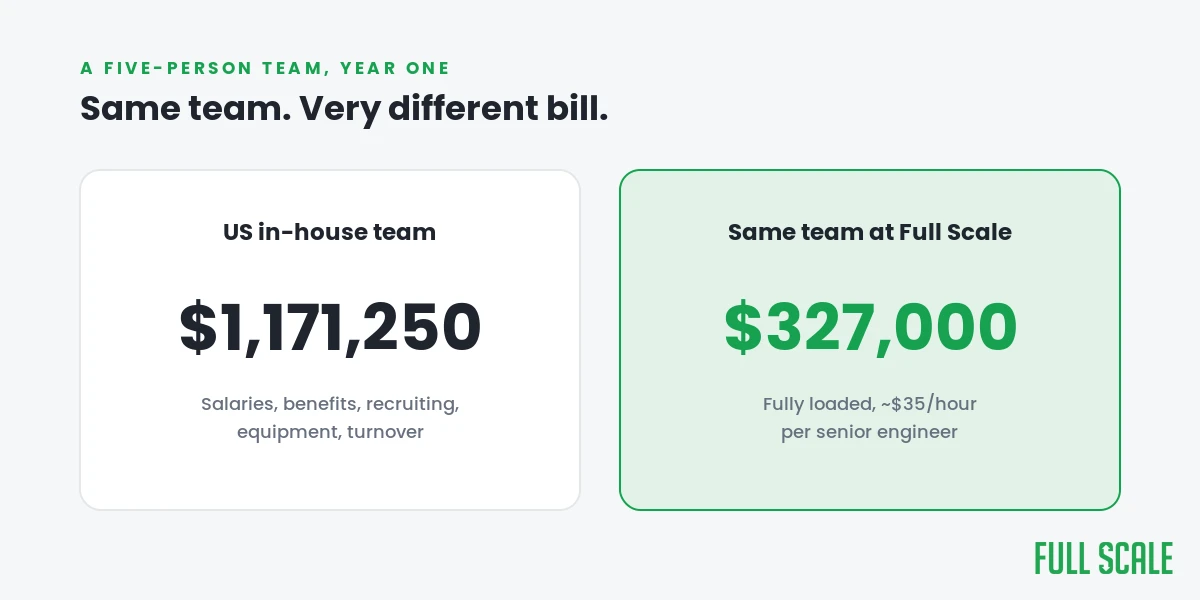
The model that works is staff augmentation: a vetted senior engineer who joins your team, your standups, and your codebase, and owns their work the way an employee would. At Full Scale our fully-loaded rate is about $35 an hour for that. To put that in context, a five-person US development team costs around $1.17 million in the first year once you count salaries, benefits, recruiting, and turnover. The same team through us runs about $327,000. The savings is real, but the reason it works is the engineers are good and they stick around, not because the rate is low. If you want to see who fits the work, here’s how we hire dedicated backend developers.
How to budget so you don’t overpay
A few rules I’d give any founder or engineering leader sizing a backend budget.
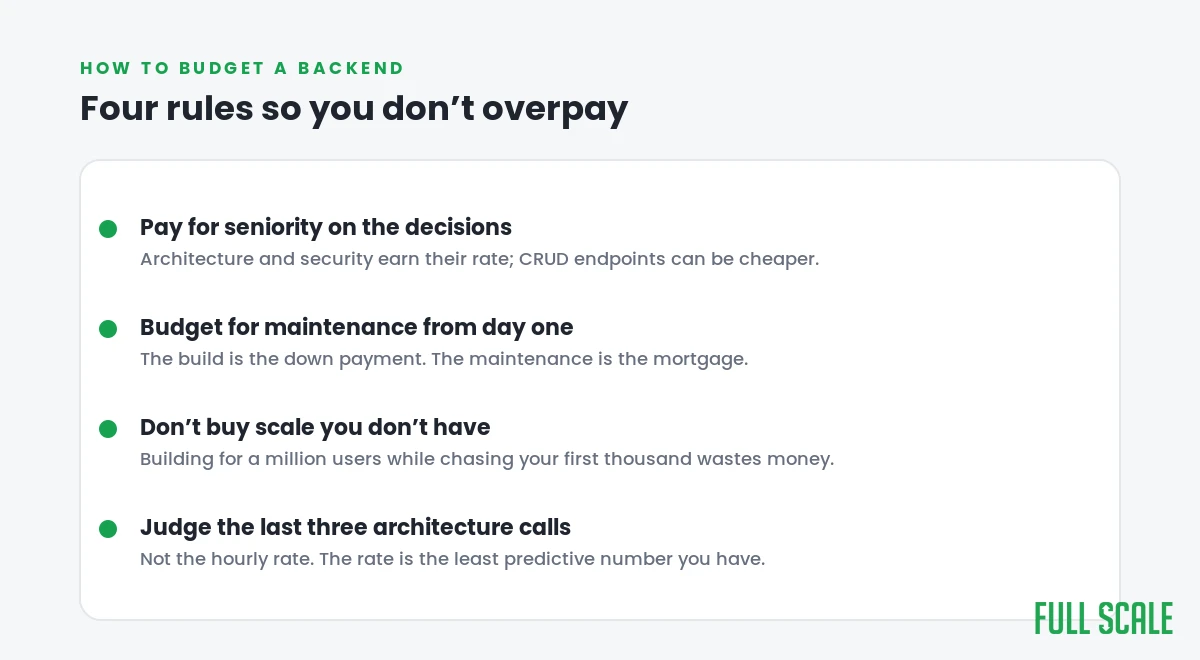
Pay for seniority on the decisions and save on the execution. That is exactly what a senior backend engineer earns their rate on. The architecture, the data model, the security review: that’s where a senior pays for themselves. The CRUD endpoints can be cheaper.
Budget for maintenance from day one. The same discipline applies to your data layer, which starts with the SQL vs NoSQL choice. If you only fund the build, you’ll be surprised every quarter after. A rough rule is that the first year of maintenance costs a meaningful fraction of the build.
Don’t buy scale you don’t have. The most common way I see money wasted on backend work is building for a million users while you’re chasing your first thousand. That is the heart of the monolith vs microservices mistake. This is one of the core ideas in my book, Product Driven: build for the problem in front of you, not the one you imagine.
And judge a developer on their last three architecture decisions, not their rate. The same lens drives which backend developer skills to hire for. The rate is the easiest number to compare and the least predictive of what you’ll actually spend.
The real answer
Backend development costs whatever the rate is, multiplied by the quality of the judgment behind it. A $200-an-hour engineer who over-builds is expensive. A $35-an-hour engineer who builds the right thing and maintains it for three years is the cheapest backend you’ll ever buy.
The rate is the number everyone asks about. The judgment is the number that shows up on your bill.
If you want help putting a senior backend engineer who’s worked at your scale on your team, schedule a call with us and we’ll talk through what your project actually needs.
Frequently asked questions
How much does backend development cost per hour?
Backend developer rates range from about $25 an hour for offshore freelancers to $200 or more an hour for senior US engineers, with US freelancers typically between $80 and $150. Dedicated offshore staff augmentation runs around $35 an hour fully loaded. The rate matters less than the experience and judgment behind it, since a cheaper engineer who makes a poor architecture decision often costs far more over the life of the system.
Is it cheaper to hire a backend developer in-house or offshore?
Offshore is almost always cheaper on paper. A senior US backend engineer costs roughly $200,000 a year all in, while a dedicated offshore engineer through a staff augmentation model can cost a fraction of that. The savings come from cost-of-living differences, not lower skill. The key is hiring a vetted engineer who joins your team and owns their work, rather than buying the cheapest available hour.
What makes backend development more expensive than frontend?
Backend development often costs more because it carries the logic, data, security, and scalability of the product, and mistakes there are harder to see and more expensive to fix. A frontend bug is visible immediately. A backend architecture mistake can run quietly for a year before it shows up as a performance problem or a security flaw.
Does AI make backend development cheaper?
AI has made writing backend code faster and cheaper, with a large share of new code now AI-generated at major companies. But it has made human judgment more valuable, not less, because a meaningful share of AI-generated code contains security flaws and someone has to catch them. You pay less for typing now and more for the engineer who knows when the AI is wrong.
How do I budget for backend development?
Budget for seniority on the high-stakes decisions like architecture and security, save on routine execution, and set aside money for maintenance from the start rather than funding only the initial build. Avoid building for a scale you don’t yet have, since over-engineering for imagined growth is one of the most common ways backend budgets get wasted.