
Toptal vs Turing: A Real Comparison From Someone Who Competes With Both

In this article
If you typed “Toptal vs Turing” into Google, you already know the basics. Both promise vetted developers without the months of recruiting. One leans on a human review process, the other on AI. You want to know which one to pick. And if a managed shop is on the table instead of another talent network, comparing Toptal and Gigster walks through where each model fits. And if you are still asking is Toptal a scam in the first place, I cleared that up separately.
I’ll give you that answer. But I should tell you where I’m standing first.
I run Full Scale, a company that places offshore engineers with US software teams. That makes me a competitor to both Toptal and Turing, so read everything here knowing I have a horse in this race. I’m not going to pretend either one is bad. They’re both real businesses that have helped plenty of companies. What I can do, that the dozen other “Toptal vs Turing” pages can’t, is tell you what these platforms actually sell, where each one fits, and the question almost nobody comparing them stops to ask. And if neither network is the answer, I mapped out the better alternatives to Toptal by job.
Because after 20 years of hiring developers across Russia, Colombia, India, and the Philippines, I’ve learned that the choice most people agonize over is rarely the choice that decides whether the work succeeds.
The quick version
Here’s the head-to-head if you just need the shape of it.
| Factor | Toptal | Turing |
|---|---|---|
| Model | Human-vetted freelance marketplace | AI-matched remote staffing |
| Vetting claim | “Top 3% of applicants” | “Top 1% of developers” |
| Talent pool | Smaller, curated; dev, design, finance | 4M+ registered developers, 150+ countries |
| Engagement | Hourly, part-time, full-time, project | Mostly full-time, long-term |
| Typical rate | ~$60 to $150+/hr, $200+ specialized | Not published; blended rate with a large margin |
| Upfront cost | $500 refundable deposit + $79/mo | No deposit |
| Free trial | About 2 weeks, risk-free | About 2 weeks, paid but cancellable |
| Time to first hire | Match in 24 to 48 hours, onboard in days | A few days to a couple of weeks |
| Who employs the dev | Independent contractor (you handle compliance) | Independent contractor |
| Best for | Short-term, specialized, elite freelance work | Scaled remote sourcing you’ll manage |
That table will get you most of the way. The rest of this post is about the parts a table can’t hold.
What Toptal actually is
Toptal is a freelance marketplace with a strong front door. Their whole brand is built on the claim that they accept only the top 3% of the freelancers who apply, after a multi-step screen: a language and communication interview, a skills review, a live technical screen, and a test project.
When it works, you get a senior freelancer fast, often within a few days, and the quality bar is real. Toptal publicizes work with brands like Shopify and Duolingo. If you have a sharp, well-scoped problem and you want an experienced specialist to come in and solve it, Toptal is good at that, and there’s a roughly two-week trial window if the first match doesn’t fit.
The cost is the catch. Toptal doesn’t publish a rate card. Independent reviews put client rates around $60 to $150+ an hour, and past $200 for specialized talent, with a $500 refundable deposit and a $79 monthly subscription to start. The rate is blended, which means the developer’s pay, the taxes, and Toptal’s cut are folded into one number you never see broken out.
The other thing to know is the relationship. The developer is an independent contractor, and Toptal is not their employer of record. That works fine for a defined engagement. It matters more when you’re trying to build something that lasts, because a freelancer is, by definition, juggling other clients and free to walk when a better gig shows up.
What Turing actually is
Turing started in the same neighborhood, hiring vetted remote developers, but it scaled the idea with software. Instead of human reviewers, Turing runs candidates through automated coding challenges, algorithm and data-structure tests, and project simulations, then claims to surface the top 1% from a pool of more than 4 million registered developers across 150-plus countries. Keep that number in perspective: 4 million is everyone who ever signed up, and the slice that actually gets matched to a real role is far smaller. It’s built for sourcing full-time remote engineers at volume.
There’s a 2026 wrinkle worth knowing, because most comparison pages haven’t caught up to it.
Turing is now, primarily, an AI company. It hit a $300 million revenue runrate in 2024 and calls itself an “AGI infrastructure” business. By Turing’s own account, the growth that nearly tripled its revenue came from the AI-lab side, not developer staffing: it sells human-graded training data, the coding and reasoning examples used to fine-tune large language models. Hiring developers for your team still exists as a service. It just shares a roof with a much bigger business pointed at OpenAI-style customers, not at your engineering org.
That’s not a knock. It’s context. If you’re choosing a partner whose attention you want for the next two years, it’s fair to ask where their attention actually is.
On the hiring side, the common complaint about AI matching is the one you’d expect. A developer who tests well can still land in a role they’re wrong for, and you find out in the second sprint, not the interview. Algorithms screen for what’s easy to measure. The hard-to-measure things, like whether someone will push back when your spec is wrong, are the ones that sink projects.
The question both platforms hope you skip
Here’s the part I can say that they won’t.
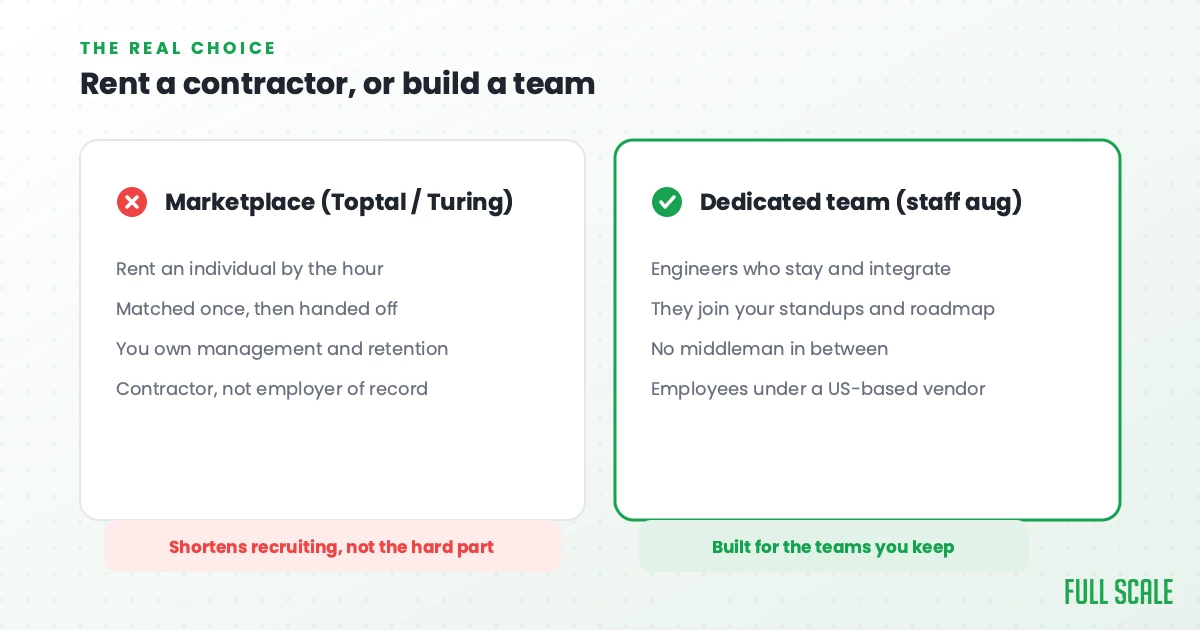
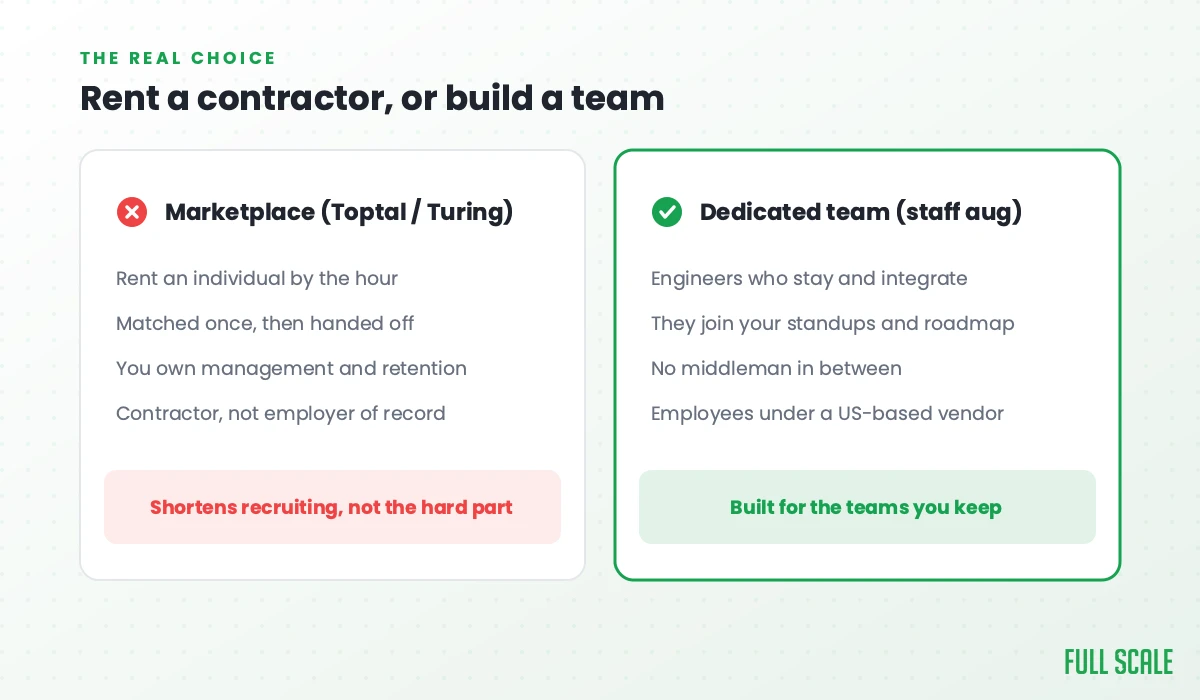
Toptal and Turing are selling you the same thing. An individual, matched by a process, billed by the hour or the month, and then handed to you. One curates by hand and aims high-end. The other automates and aims at scale. But the unit you’re buying is identical: a contractor, not a team.
Neither one runs your project. They don’t do your QA, and they aren’t accountable for whether the thing you’re building actually ships and works. They make the match and step back. The management, the integration, the standups, the code review, the retention, all of that is still your job. You’ve shortened the recruiting, which is genuinely valuable. You have not solved the harder problem of turning a stranger into a productive member of your team.
So the real comparison isn’t Toptal vs Turing. It’s whether you want to rent a contractor at all, or whether you want a team.
The honest case for renting is commitment, or the lack of it. You can switch a contractor off in a week, with no severance and no ramp to write off. A team is a relationship you have to mean. If you genuinely don’t know whether the work will outlast the quarter, that flexibility is worth paying for, and you should use one of these platforms. But for the system you’re going to build, maintain, and grow for years, hiring individuals one at a time is the slow, expensive way to end up with a revolving door.
Retention matters more than the vetting badge
I want to be careful here, because Full Scale screens hard too. Fewer than 3 percent of the people who apply to us make it through. I’m not pretending we don’t play the same game.
The point is that the percentage is not the variable that decides anything.
Every platform in this space, including mine, advertises an elite acceptance rate, because it’s a clean number that sounds like a promise. But I’ve hired developers in Russia, Colombia, and the Philippines, and I can tell you the screen was never what made an engagement succeed or fail. The thing that decided it, every time, was whether the person stayed long enough to learn your product and whether the structure around them kept them accountable, the same argument I lay out in full in Toptal vs staff augmentation.
I learned that the hard way at my last company, Stackify. We tried hiring through an outside engagement in India. I’d make an offer, wait out a 60 to 90 day notice period, and then find out the candidate had taken a counter-offer and was never showing up. Do that a couple of times and you stop trusting the process, not the people. The individual developers were never the problem. The setup was.
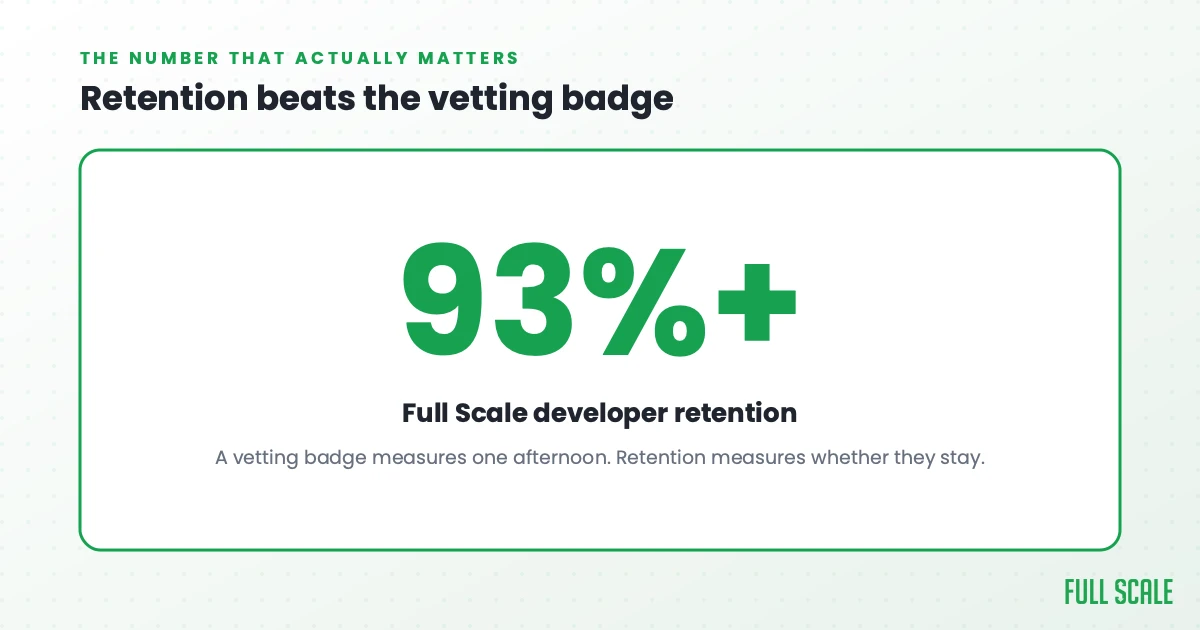
That’s why I keep coming back to retention as the number that matters. Our developer retention is over 93 percent. A vetting badge tells you how someone did on a test one afternoon. Retention tells you whether they’re still on your team a year later, which is the only thing that compounds.
How to actually choose
Strip away the marketing and the decision gets simple. Match the model to the work.
Pick Toptal when you have a specific, short-term, specialized problem and you want a proven senior freelancer to solve it fast. Design sprints, a security audit, a hard one-off integration. Pay the premium, get the expertise, move on.
Pick Turing when you need to source full-time remote developers at volume and you have the internal management muscle to onboard, direct, and retain them yourself. You’re using their reach as a recruiting funnel and accepting that the rest is on you. If you’re specifically hiring AI or ML talent, Turing’s pivot works in your favor, since that’s where their bench runs deepest now.
Pick a dedicated team model when what you actually need is engineering capacity that sticks, integrates with your people, and treats your product like it’s theirs. This is staff augmentation, and it’s the model Full Scale is built on. Our engineers are our employees, not contractors you’re renting, so the classification risk and the IP relationship sit with a US-based company under US law. They join your standups, your repo, and your roadmap, with no middleman between you and them. There’s no account manager filtering every conversation, which is a pattern I’ve watched sink plenty of offshore arrangements.
You still lead the work, though. A dedicated team plugs into your direction and owns its piece, but you always need someone on your side accountable for the outcome. That part never goes away, no matter who you hire.
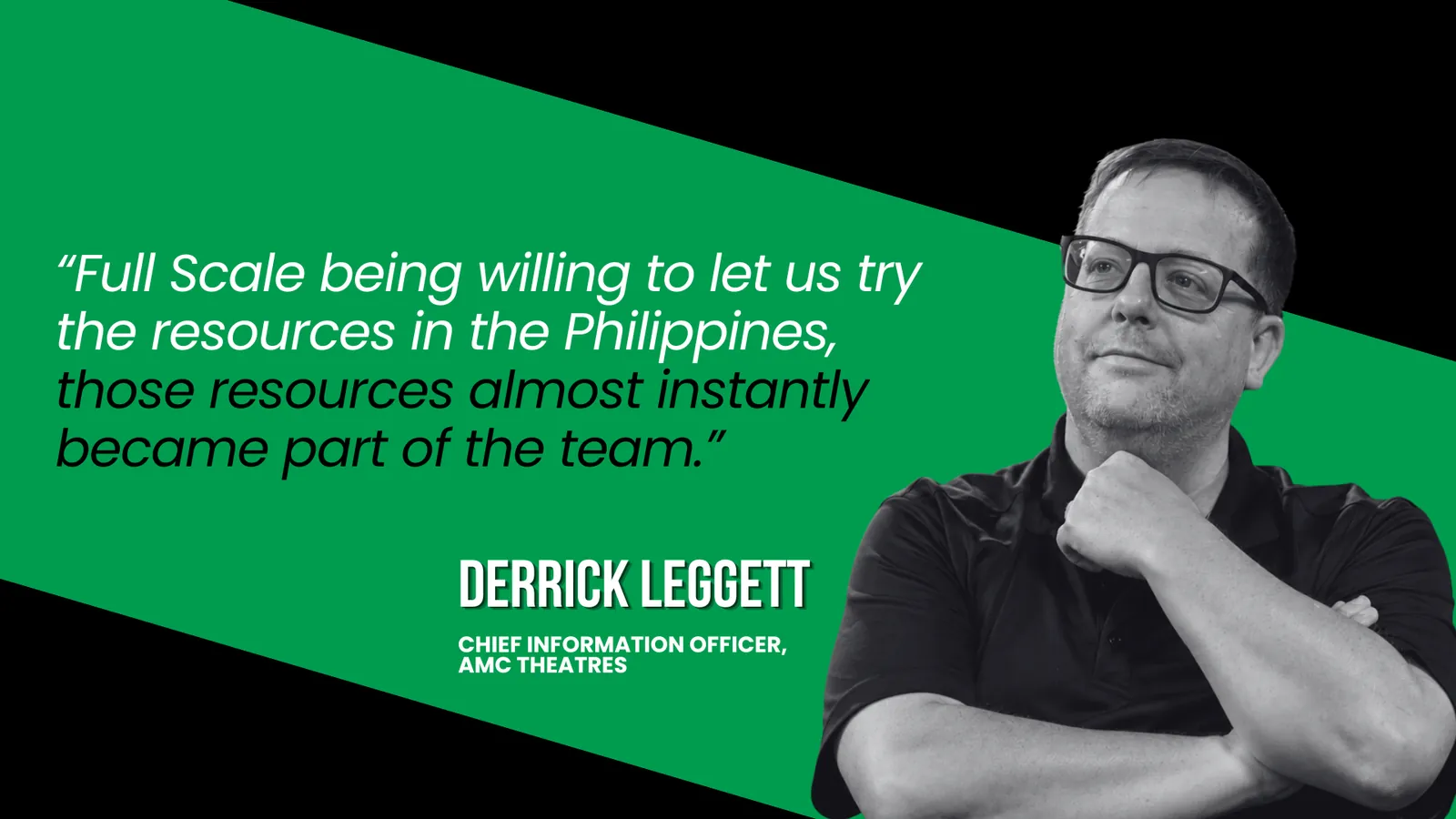
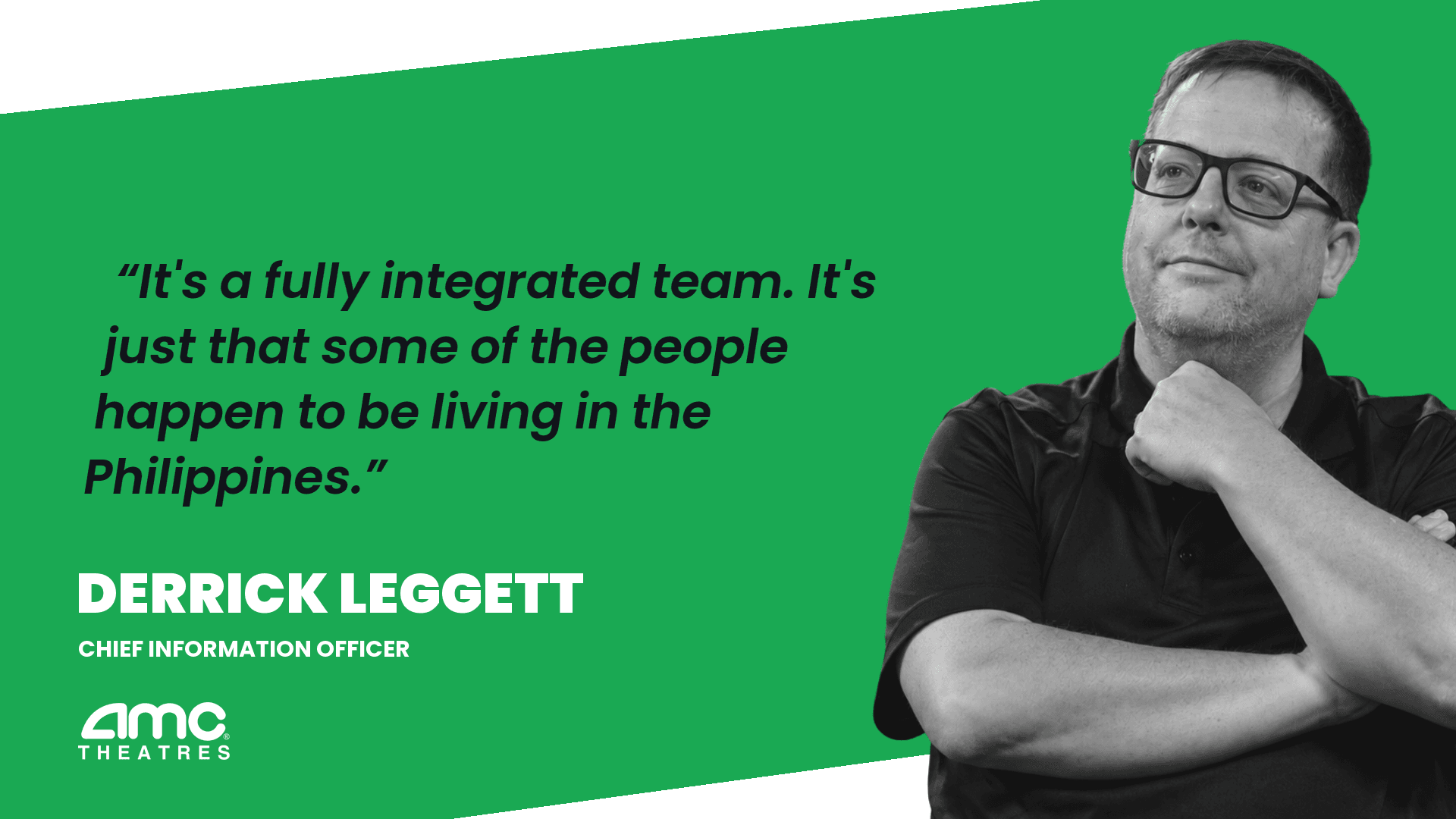
The proof I trust most is a client, not a stat. AMC Theatres runs a global engineering org, and their CIO Derrick Leggett describes the Full Scale engineers on his team like this: “It’s a fully integrated team. It’s just some of the people happen to be living in the Philippines.” That sentence is the whole difference. You can’t say it about a freelancer you rented through a marketplace.
I’ll be just as honest about when not to pick us. If your need really is a two-week task, we’re the wrong tool, and a marketplace is faster. For the fuller shape of that comparison across every hiring channel, not just Toptal, see Upwork alternatives for hiring developers. We aren’t in this for some three-month project. We’re built for the teams you keep. And if you are comparing Toptal to the open marketplace instead, here is how Toptal and Upwork compare.
If you want the longer version of how I think about this, it’s the spine of my book, Product Driven: the developers worth keeping are the ones who think like owners, and you don’t get ownership from someone you’re renting by the hour.
Frequently asked questions
Is Toptal or Turing cheaper?
Turing’s full-time placements are usually cheaper per developer than Toptal’s freelance rates, especially for ongoing roles, because Toptal prices for premium short-term specialists and adds a deposit and a monthly fee. But neither publishes transparent pricing, and both fold a large margin into a blended rate you can’t itemize. Compare total monthly cost for the same seniority, not headline hourly rates, and remember that chasing the cheapest rate is rarely what costs you the least once retention and rework are counted. I call that mistake cheapshoring.
Which is better for a startup?
For a startup, it depends on whether you need a quick specialist or a lasting team. Toptal fits a founder who needs one senior freelancer for a defined build. Turing fits a company ready to manage its own remote hires at volume. If you’re a small team that needs engineering capacity to integrate and stay, a dedicated staff augmentation team usually serves a startup better than either marketplace, because you’re not re-recruiting every few months.
Is Turing still a developer-hiring platform?
Yes, but it’s no longer the center of the business. Turing hit a $300 million revenue runrate in 2024 and now describes itself as an “AGI infrastructure” company, with a major line selling AI training data to large language model labs. Developer staffing still exists as a service, but a buyer should know it now shares the house with a much larger AI-research business.
Are Toptal and Turing developers employees or contractors?
On both platforms, the developers are independent contractors, not employees, and neither platform is the employer of record. Compliance and classification risk sit with you, the client. That’s fine for a defined engagement and worth understanding before you build a long-term, full-time relationship on a contractor framework. It’s also the main structural difference with a staff augmentation partner like Full Scale, where the engineers are the partner’s employees and the employment and IP relationship sits with a US-based company.
What are the best alternatives to Toptal and Turing?
The strongest alternatives depend on what you’re solving. For short specialist tasks, other curated marketplaces like Gun.io or Arc compete with Toptal. For a team that integrates and stays, a staff augmentation partner like Full Scale is a different model entirely, dedicated long-term engineers instead of rented individuals. The shorter the job, the more a marketplace makes sense, and the longer you mean to keep the work, the more a real team earns its keep.
The bottom line
Toptal and Turing are both fine answers to the question “where do I find a vetted developer fast.” Toptal is the premium, human-curated, freelance-first option. Turing is the AI-matched, scale-first option that’s increasingly pointed at AI labs as much as at you.
But if you’re building something you mean to keep, you’re asking a smaller question than you should be. The platform matters less than the model. Rent a contractor for a task. Build a team for a product.
If it’s a team you’re after, let’s talk.