
Companies That Outsource to the Philippines: What the Listicles Get Wrong About Software

In this article
- The famous names mostly built their own offices
- And most of the work isn’t software anyway
- The real software story is smaller companies building teams
- What it looks like when it’s done right
- Why companies actually outsource to the Philippines
- The wrong way and the right way
- Should you copy the companies on the list?
- Frequently asked questions
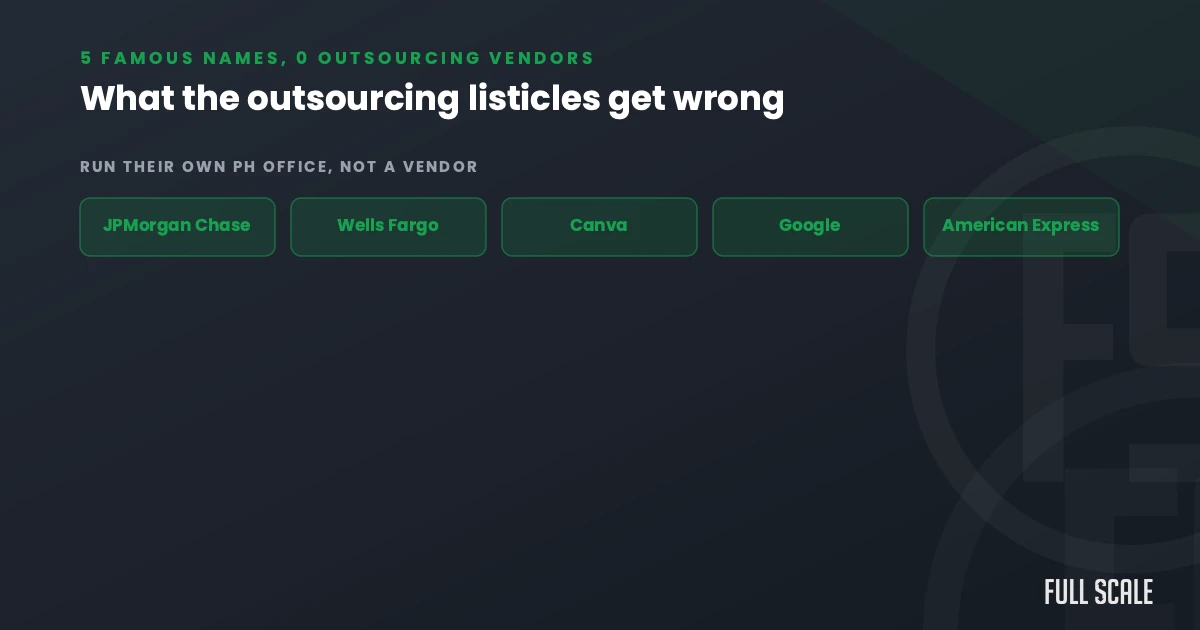
Quick Answer: Most companies that show up on “companies that outsource to the Philippines” listicles, JPMorgan Chase, Wells Fargo, Canva, Google, American Express, don’t actually outsource software development there. They run their own Philippine office with their own staff, which is a captive office, not an outsourcing vendor relationship. The real software outsourcing story is smaller and mid-market companies using staff augmentation to add developers who join their team directly, without building a legal entity of their own.
Every “companies that outsource to the Philippines” list names the same five or six logos: Google, Amazon, JPMorgan, Wells Fargo, Disney.
If you are a founder or an engineering leader weighing offshore software development to the Philippines, those lists are close to useless. They get one basic thing wrong, and the mistake matters for the decision you are actually trying to make. One role companies increasingly staff this way is a MarTech developer to run the marketing stack.
I run Full Scale, a company that staffs US software teams with engineers in the Philippines, so I read these lists the way a chef reads a restaurant review. Most of the famous names on them did not outsource software to a Philippine company at all. They opened their own office there. That is a different thing, and once you see the difference, the real story gets a lot more useful.
The famous names mostly built their own offices
There are two ways a US company ends up with people working in the Philippines. It can hire a Philippine outsourcing vendor and pay that vendor to do the work. Or it can open its own office, hire staff directly, and run it as part of the company. The second one is not outsourcing. It is just having an office in another country.
Almost every giant on the listicles is the second kind.
| Company | What they run in the Philippines | Outsourced, or their own office? |
|---|---|---|
| JPMorgan Chase | A global service center for banking operations, risk, and tech support, with more than 20,000 staff in two Taguig towers | Their own office |
| Wells Fargo | An enterprise services center that includes operations, finance, and software engineering (though it trimmed Philippine tech jobs in 2020) | Their own office |
| Canva | A Manila office opened in 2014 that is now its second-largest team in the world, spanning support, design, and engineering | Their own office |
| A Taguig office for customer and product support, opened in 2017 | Their own office | |
| American Express | A long-running Manila center for customer support, IT support, and finance | Their own office |
So when a listicle tells you “Google outsources software development to the Philippines,” it is mostly wrong on both counts. Google runs its own office there, and that office does support and operations, not the search engine. The headline names are proof that the Philippines is a serious place to put a team. They are not proof that outsourcing software there works.
If you want the list of actual Philippine outsourcing vendors, that is a different post: outsourcing companies in the Philippines.
And most of the work isn’t software anyway
Look at what these famous operations actually do, and the software story gets even thinner.
JPMorgan’s people run banking operations. American Express runs customer support and finance. Disney’s long Philippine history is animation, through a Manila studio called Toon City that drew Saturday-morning cartoons for decades. That is real, sourced, and impressive. It is also not software.
The companies that genuinely sell software and tech delivery out of the Philippines are the big outsourcing vendors. Accenture employs more than 50,000 people there, and Concentrix runs the largest IT and business-process workforce in the country at more than 100,000. So yes, big companies really do outsource software to the Philippines, through vendors like these. But that is enterprise-scale managed delivery, a very different product from a handful of engineers joining your team.
That is the honest takeaway. A bank’s captive center with 20,000 people does not tell you whether outsourcing software to the Philippines works for a company your size. It is the wrong comparison. You are not JPMorgan, and you do not need to be.

The real software story is smaller companies building teams
The useful proof comes from somewhere the listicles never look: the startups and mid-market product companies quietly building real engineering teams in the Philippines. You don’t see them because most never announce it, which is exactly why a list of logos is the wrong place to look.
I have lived this twice. At my last company, Stackify, I built a Philippine engineering team starting in 2018. It grew past 20 developers and helped carry the product to its 2021 acquisition. Then I built Full Scale to do the same thing for other companies. None of that showed up in a “companies that outsource to the Philippines” article, and that is exactly the point. The interesting work is happening below the Fortune 500 radar.
Software works in the Philippines for reasons that have nothing to do with being cheap. Engineers speak fluent English with American business context, the communication culture is warm and direct, and there is a service orientation that shows up as people who care whether you got what you needed, not just whether the ticket closed.
That matters more now, not less. As AI makes writing code cheaper, the scarce skill becomes judgment, communication, and product sense, which is exactly where Filipino developers are strong. A team that just takes orders is the part AI replaces. A team that asks whether you are building the right thing is the part that gets more valuable. That is the deeper case for outsourcing software development to the Philippines.
What it looks like when it’s done right
A listicle cannot give you this kind of proof, because the people who write them do not staff anyone. These are companies building production software with Philippine teams through Full Scale.
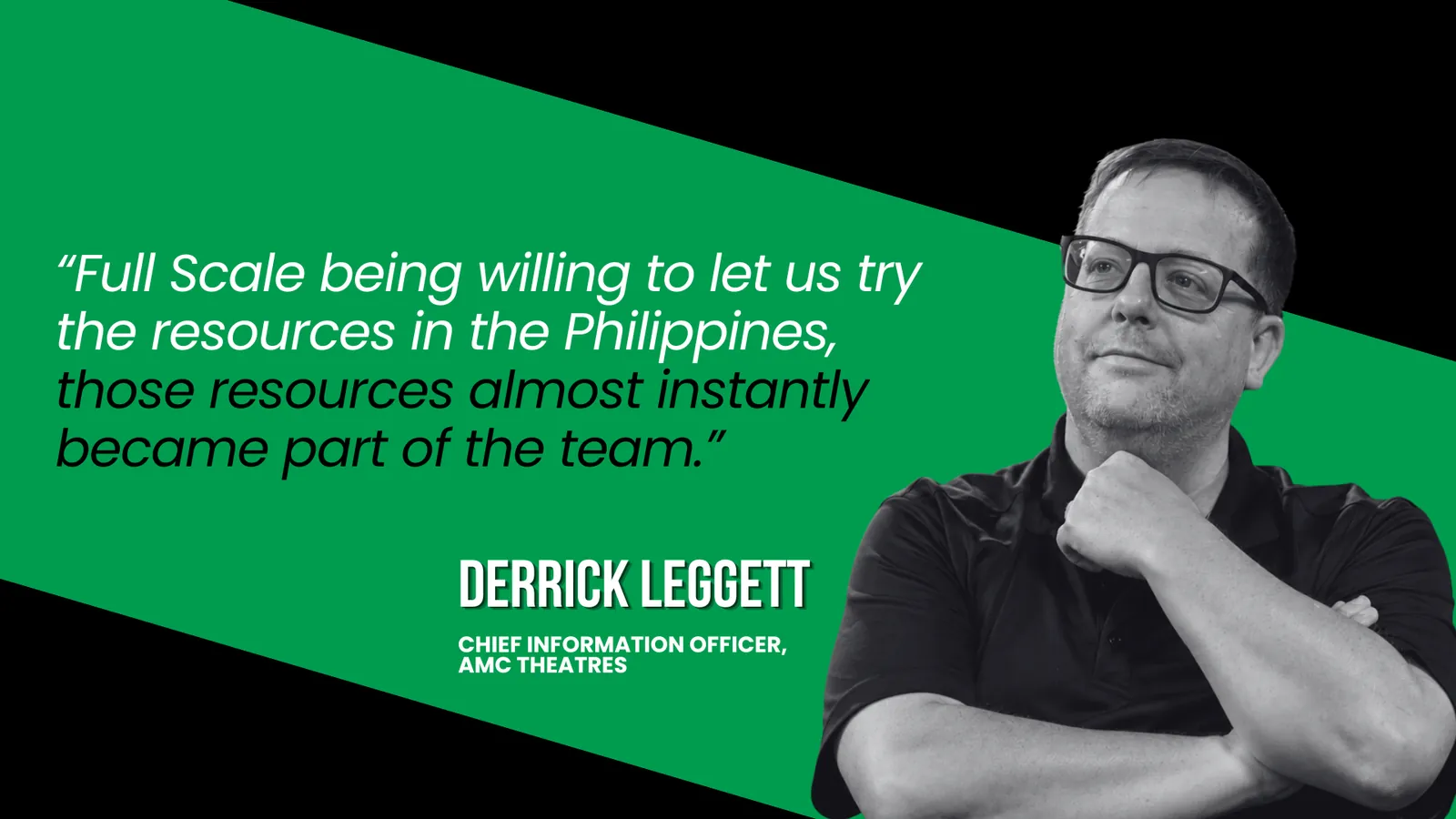
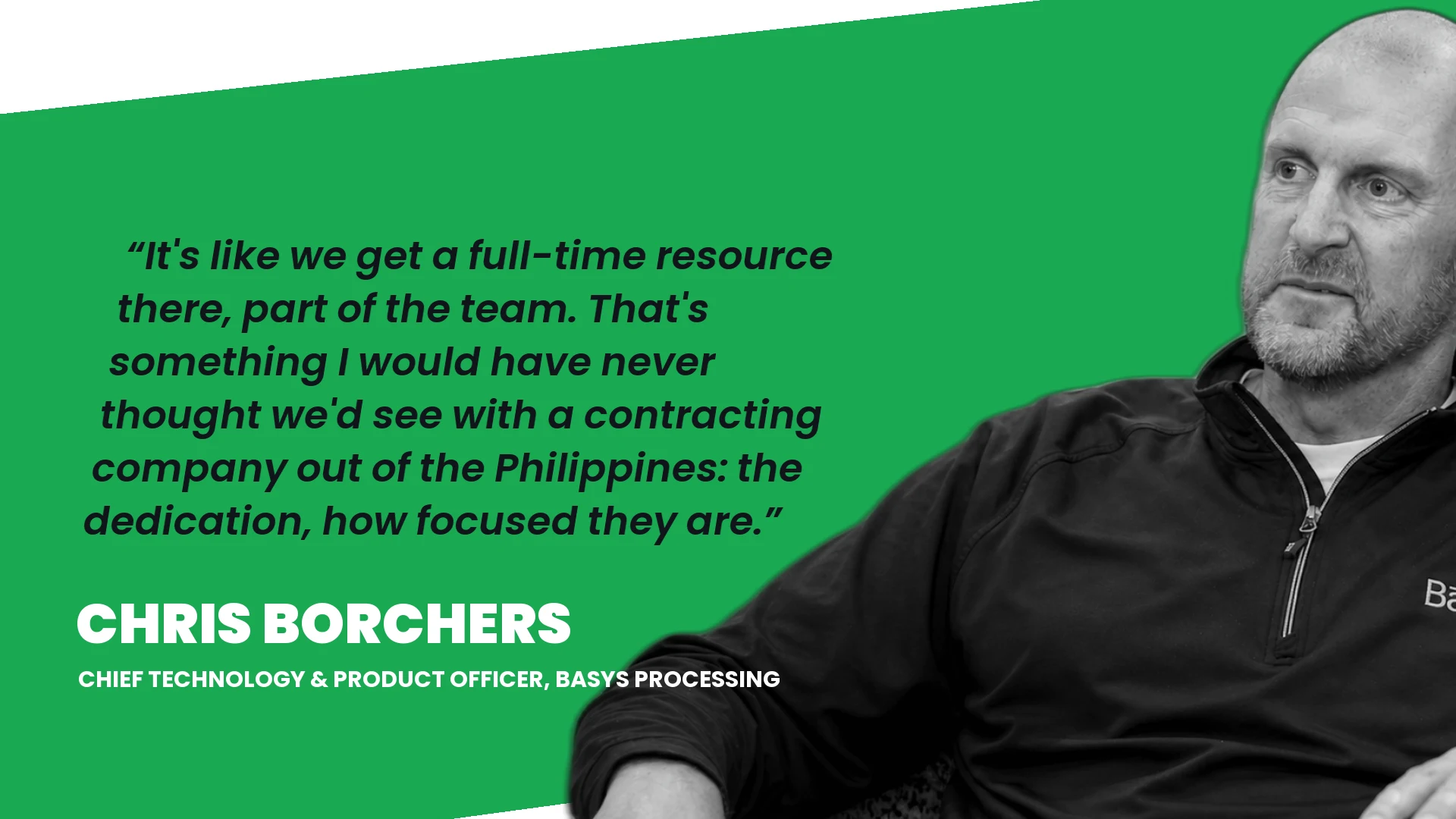
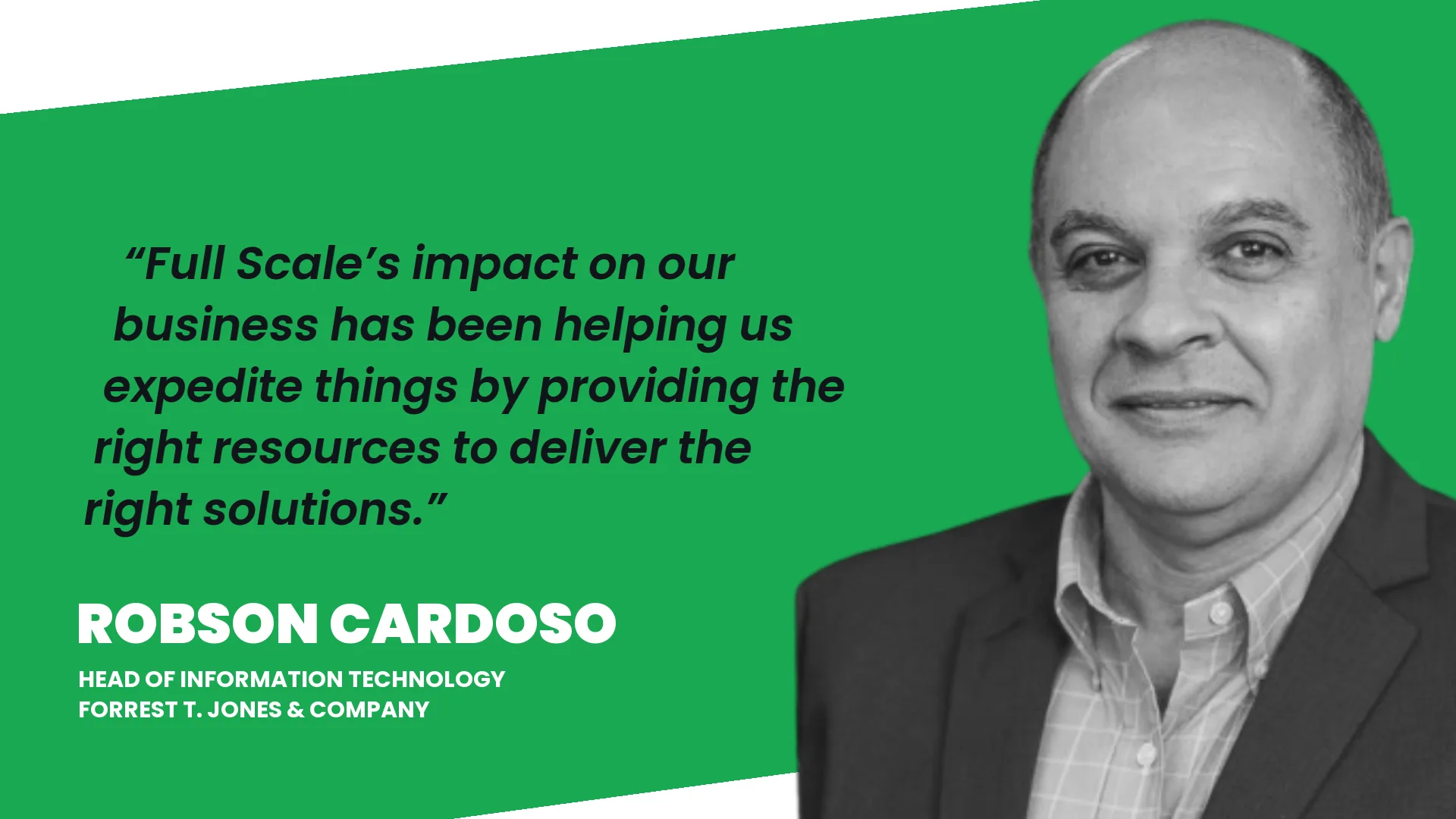
AMC Theatres runs .NET engineering work with a Full Scale team that operates as part of their own group. SOTA Cloud, a dental imaging software company, builds and ships its product the same way. Basys, a Kansas City payments processor whose CTPO says he used to avoid offshore work “like the plague,” now runs Full Scale engineers as full-time teammates inside its product and engineering team. Forrest T. Jones & Company, a 70-year-old Kansas City insurance firm burned by offshore vendors before, uses a Full Scale team to modernize its .NET and SQL Server systems. Ascend Learning, an EdTech company with a roughly 600-person engineering org, treats its Philippine engineers as no different from anyone else on staff, per its own VP of Software Engineering. These are not support desks or back offices. They are engineers writing the software the business runs on.
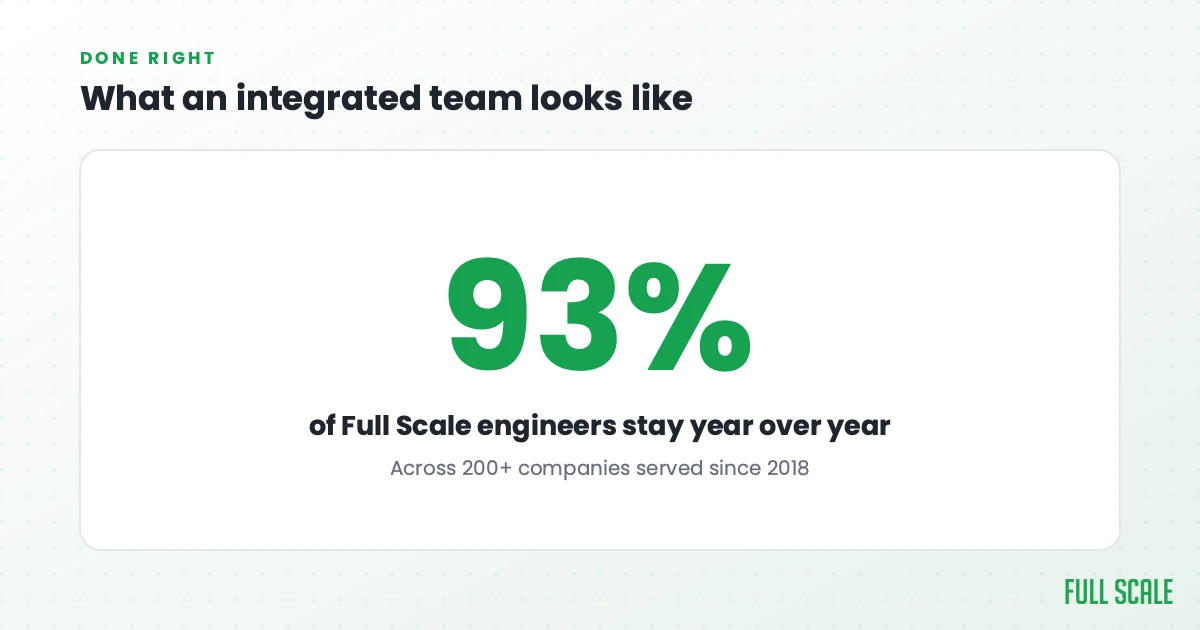
We keep 93% of our engineers year over year, have served more than 200 companies since 2018, and currently staff 80-plus active clients. If you want the specialist vendors themselves, not just us, see this list of IT staff augmentation Philippines companies. The companies that win with the Philippines treat it as a place to build a real team, not a place to rent the cheapest hands.
Why companies actually outsource to the Philippines
Strip away the listicle noise and the real reasons are consistent.
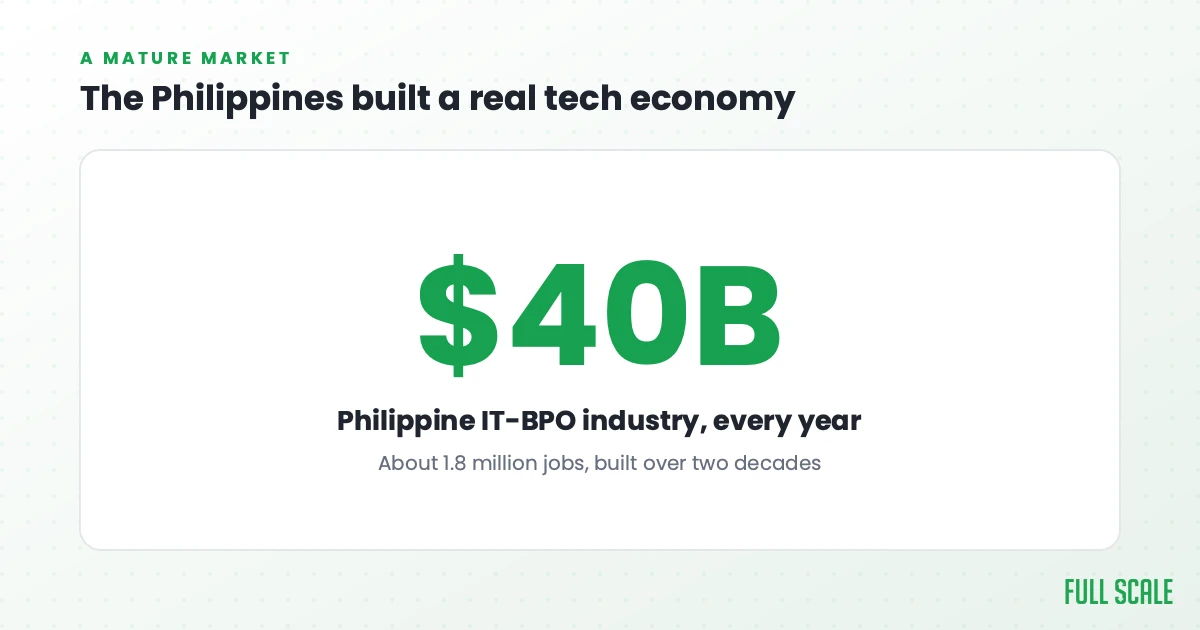
The talent is deep, because the country has spent two decades building it. I go deeper on exactly why to hire Filipino developers in my own personal breakdown. The Philippine IT and business-process industry now earns around $40 billion a year and employs around 1.8 million people. That is a mature industry with real engineering depth, not a cost hack.
Cost is part of it, of course. We pay at the top of the local market, and it still costs a fraction of a US salary. Some people will call that exploitation, which is a real argument with a real answer that I have made in full on the ethics of offshoring. For here, the short version is that it creates good jobs that change lives, and the wage gap is cost of living, not worth.
The wrong way and the right way
There is a wrong way to do this, and it is the reason “offshore” has a bad reputation in some circles. I call it cheapshoring: hiring the cheapest body you can find and hoping for the best. Most offshore work that fails, fails because someone hands a pile of requirements to a vendor and expects a finished product back. That is not a Philippine problem. It is a model problem.
The model that works is staff augmentation: engineers who join your team, work directly with your people, and stay for the long haul. For a rundown of specific vendors and which side of that line each one sits on, see this list of IT outsourcing companies in the Philippines. It is the heart of what I wrote about in Product Driven, the idea that the teams who win are the ones built to own what they ship, wherever they happen to sit.
Should you copy the companies on the list?
Not exactly. You should copy the logic, not the structure.
A captive office with its own legal entity, HR, and real estate makes sense when you are JPMorgan and you are hiring 20,000 people. For almost everyone else, the overhead is absurd. You get the same Philippine talent, integrated into your team, without building an entity, through a staff-augmentation partner that hires developers in the Philippines for you.
It is not effortless, either. An offshore team takes real management investment and clear communication, especially across a big time-zone gap. Put that work in, and the gap turns into an overnight build-and-review cycle instead of a drag.
The companies on the listicles proved the Philippines can run serious work. What they can’t tell you is how to do it at your size. That part is simpler than the giants make it look.
Frequently asked questions
Which companies outsource to the Philippines?
The famous names usually cited, including JPMorgan Chase, Wells Fargo, Google, American Express, and Canva, mostly run their own offices in the Philippines rather than outsourcing to a Philippine vendor, and that work is largely finance, operations, and support. The companies that deliver outsourced software and IT at scale are vendors like Accenture and Concentrix. The more relevant examples for most businesses are the startups and mid-market software companies that build dedicated engineering teams there, often through staff augmentation.
Is the Philippines good for software development outsourcing?
Yes, especially for product and engineering work that depends on communication. The Philippines offers strong English fluency, an American-aligned business culture, and a deep, mature tech workforce. The advantage grows in the AI era, because the scarce skill becomes judgment and communication rather than just writing code, and that is where Filipino developers are strong.
Why do companies outsource to the Philippines?
The real reasons are talent depth, communication quality, and a mature industry built over two decades, with cost as a benefit rather than the only driver. The Philippine IT and business-process sector earns about $40 billion a year and employs around 1.8 million people. Companies that succeed build a real team there instead of chasing the cheapest possible labor. If you want the specifics, here is how much a developer in the Philippines actually costs per month by seniority.
Is it safe to outsource software development to the Philippines?
It is, when you choose the right model. The risk is not the country, it is the engagement: handing requirements to a faceless vendor rarely works, while hiring engineers who join your team for the long term does. The safest approach is staff augmentation with a partner that recruits, vets, and retains the developers, so you get an integrated team rather than a black box.
Thinking about whether the Philippines fits your software plans? Schedule a call with Full Scale and we will walk through what it actually takes to build a team there the right way.