
Hire developers in the Philippines who stay
Most offshore teams churn 30 to 50 percent of their engineers every year. Ours stay. We keep 93%+ of our Filipino engineers because we treat them as the senior owners they are and train them to think about your product and use AI well, not just close tickets. Every engineer on our Philippines bench is pre-vetted, senior, and ready to start on your team in 7 days.
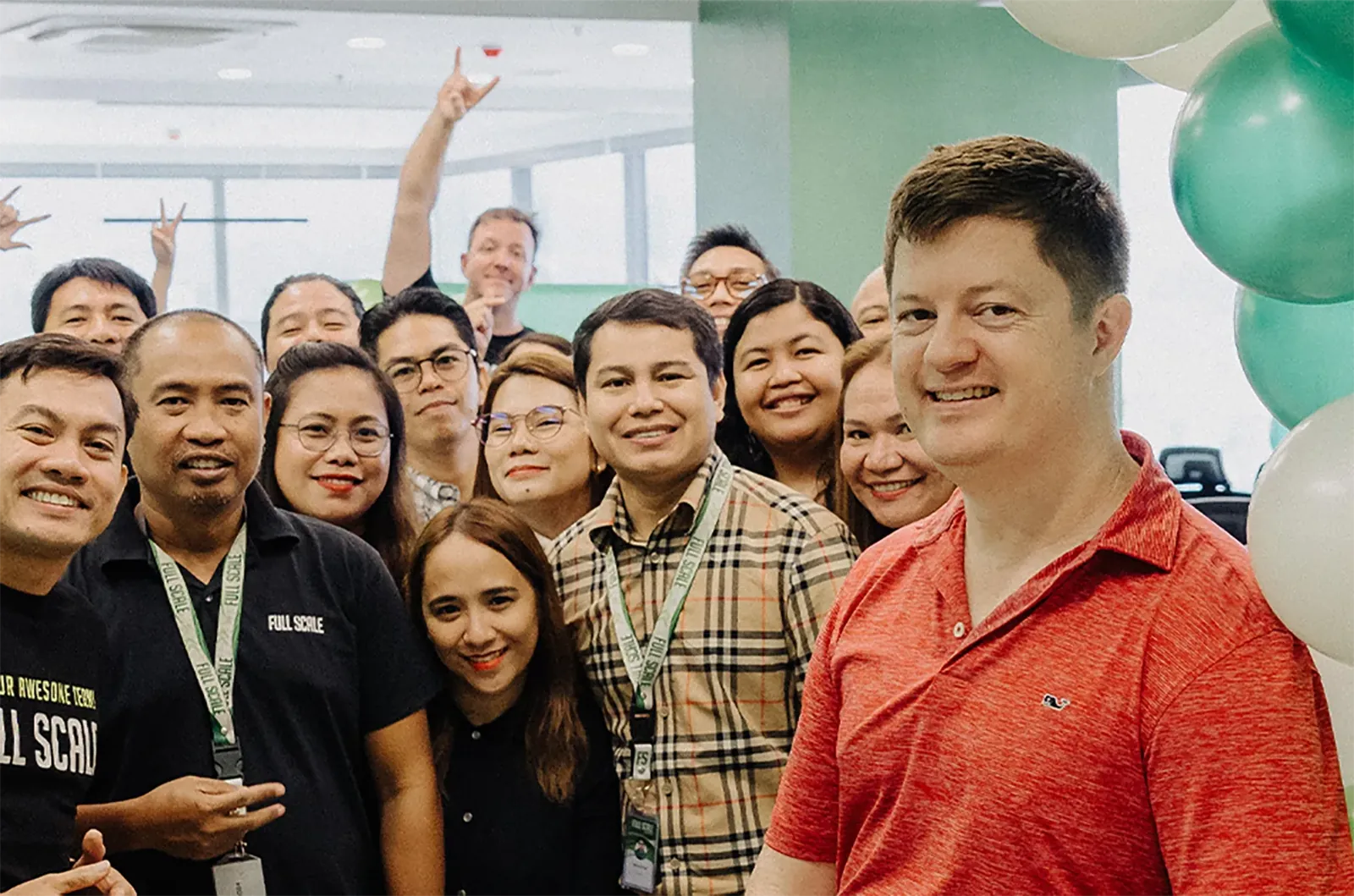
Trusted by 80+ U.S. teams across SaaS, fintech, healthcare, and enterprise, with 5M+ development hours delivered out of the Philippines
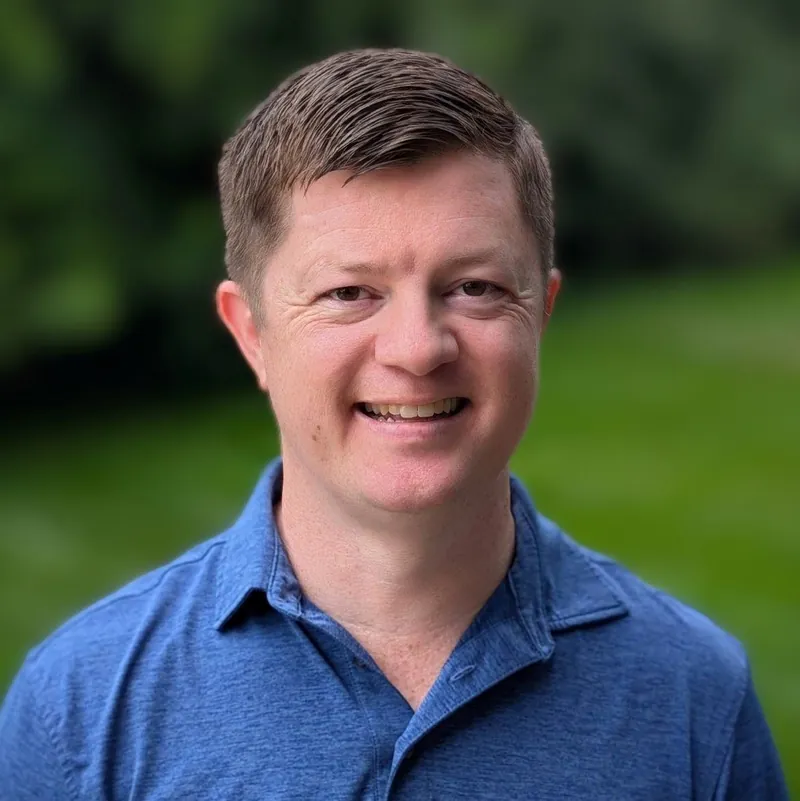
Previously founded VinSolutions ($150M+ exit) and Stackify
I've been hiring engineers in the Philippines since 2018
I started my career as a developer and spent two decades as a founder and CTO. I co-founded VinSolutions and sold it for over $150 million, then ran Stackify, a developer tools company whose product ran inside thousands of engineering teams.
I first hired developers in the Philippines back in 2018, almost by accident. I was looking for offshore engineers for Stackify, and a friend who already had a team in the Philippines talked me into giving it a try. The talent was excellent, the English was sharp, and the team shifted their hours to overlap with us in Kansas City. It worked so well that we set the team up as its own company. Other founders I knew wanted in too, and we hired 100 developers in the first year. That accidental business became Full Scale.
From the start I wanted to be the offshore company I wished existed when I was the customer. That meant real Filipino engineers on your team full time, paid and promoted like the senior people they are, and trained to think about your product instead of waiting for the next ticket. That is why our annual retention runs 93%+ while the rest of the offshore industry churns 30 to 50 percent a year. People stay when the work and the company are worth staying for.
Eight years in, we've placed 1,000+ Filipino engineers with U.S. companies, including the dedicated team behind AMC Theatres' enterprise systems, where our engineers work as full members of AMC's team rather than contractors sitting outside a wall.
A friend talked me into trying the Philippines. It worked so well I built a company around it.
AI-powered Filipino engineers, trained on Product Driven principles
Most companies adopting AI are getting more code, not better code. The slop volume goes up, the product gets worse, and engineers who only know how to type faster are not the answer.
Filipino engineers who can both think about the product and use AI well are rare, and that combination is exactly what we hire and train for at Full Scale.
Product Driven engineering
Our engineers are trained on the five pillars from Matt's book: Vision, Focus, Clarity, Ownership, and Courage. The result is developers who push back on bad product decisions, ask whether a ticket should exist before writing it, and own the outcome of what ships. They are not order takers, and that is the single biggest reason our offshore model produces different results than the traditional one.
Read Product Driven, the bookAI as a thinking partner
Every Filipino engineer on our bench works with GitHub Copilot, Claude, and Cursor every day. They use AI to explore options, scaffold the boring parts, generate test suites, and review their own pull requests before a human ever sees them. Judgment stays with the engineer, the grunt work moves to the machine.
AI without product thinking is just a slop machine, and the developers I want on my team know how to avoid that trap. They think first, use AI for the parts where judgment doesn't add value, and own the outcome of what they ship. That's who we hire and train at Full Scale.
The engineering team behind AMC Theatres
AMC grew from 170 theatres to 900+ and now runs the world's largest movie-theatre ticketing platform. Full Scale engineers work inside that engineering org as full team members, building and supporting the systems behind it.

Dedicated developers in the Philippines, starting at $35 an hour
That rate is fully loaded: it covers a senior engineer in the Philippines working full-time on your project, with payroll, benefits, HR, and equipment all handled by us. The same role hired locally in the U.S. costs $150K to $195K a year, and that's before recruiter fees, benefits, and the 3-month ramp. The math is what drives most of our clients to call.
- Full-time, dedicated engineer in the Philippines
- Pre-vetted by senior engineering reviewers
- Works your hours, your tools, your codebase
- Payroll, HR, equipment, benefits handled by us
- U.S.-based account manager you can escalate to
- 30-day replacement guarantee if it isn't a fit
Full Scale has made the Inc. 5000 four years in a row and is Great Place to Work certified. We have been doing this since 2018. Pricing isn't the only reason clients stay, but it's the easiest reason to call.
Meet our Filipino team
The engineers behind the work, in their own words. We hire people, not resumes. Watch the engineers on our Philippines bench talk about the products they ship, the way they think about engineering, and what working at Full Scale looks like from the inside.

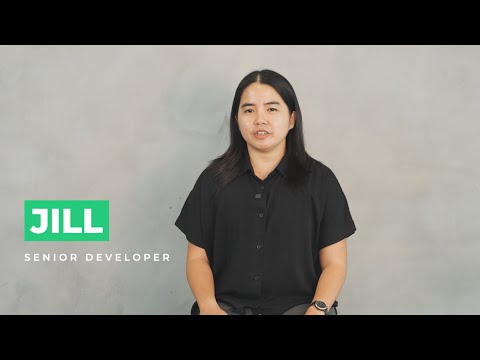
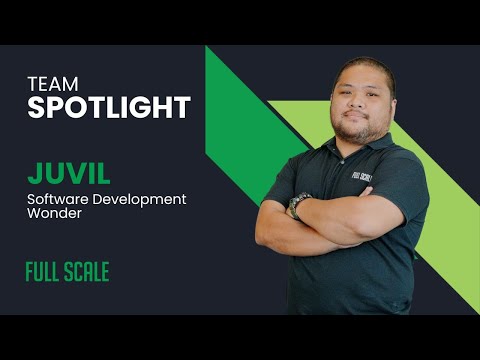
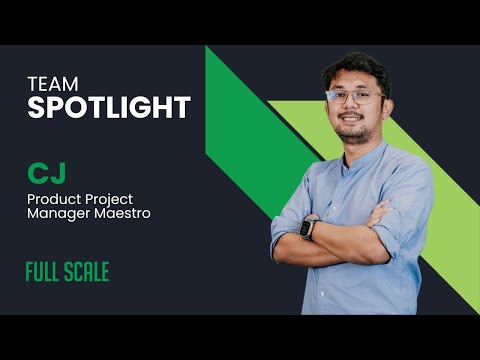
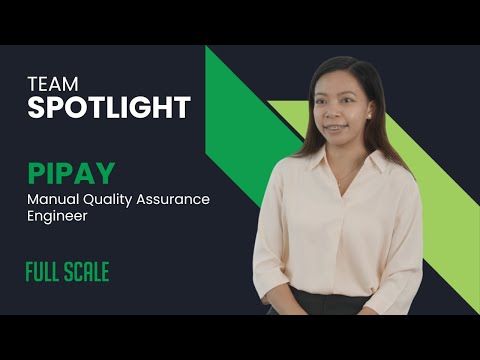

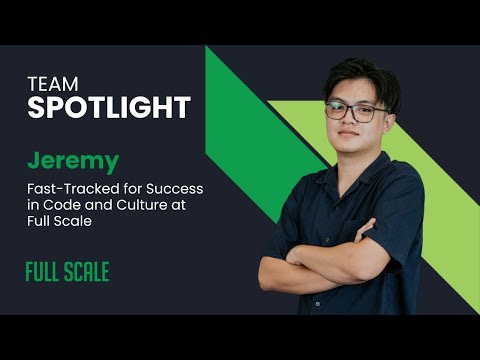

Real Filipino engineers, named and vetted
A sample of the Filipino engineers on our team. These are real Full Scale developers working remotely from across the Philippines, and you'll meet candidates like them during your interview round.

A software developer building with React, Vue.js, and JavaScript.

A senior software developer with 18 years of experience across jQuery, Angular, and AngularJS.

A senior software developer with 13 years of experience across .NET MAUI, C#, and Xamarin.

A senior software developer with 13 years of experience across CSS, JavaScript, and HTML.

A software developer who ships production work with .NET Framework, .NET MAUI, and ASP.NET.

A software developer who ships production work with Angular, AngularJS, and Nuxt.js.
The reason offshore development actually works here
Most offshore decisions come down to four things: communication, time-zone overlap, talent depth, and cultural fit. The Philippines is the country where all four show up at once, which is why the Microsoft stack and a lot of modern SaaS chose it as their offshore home two decades ago.
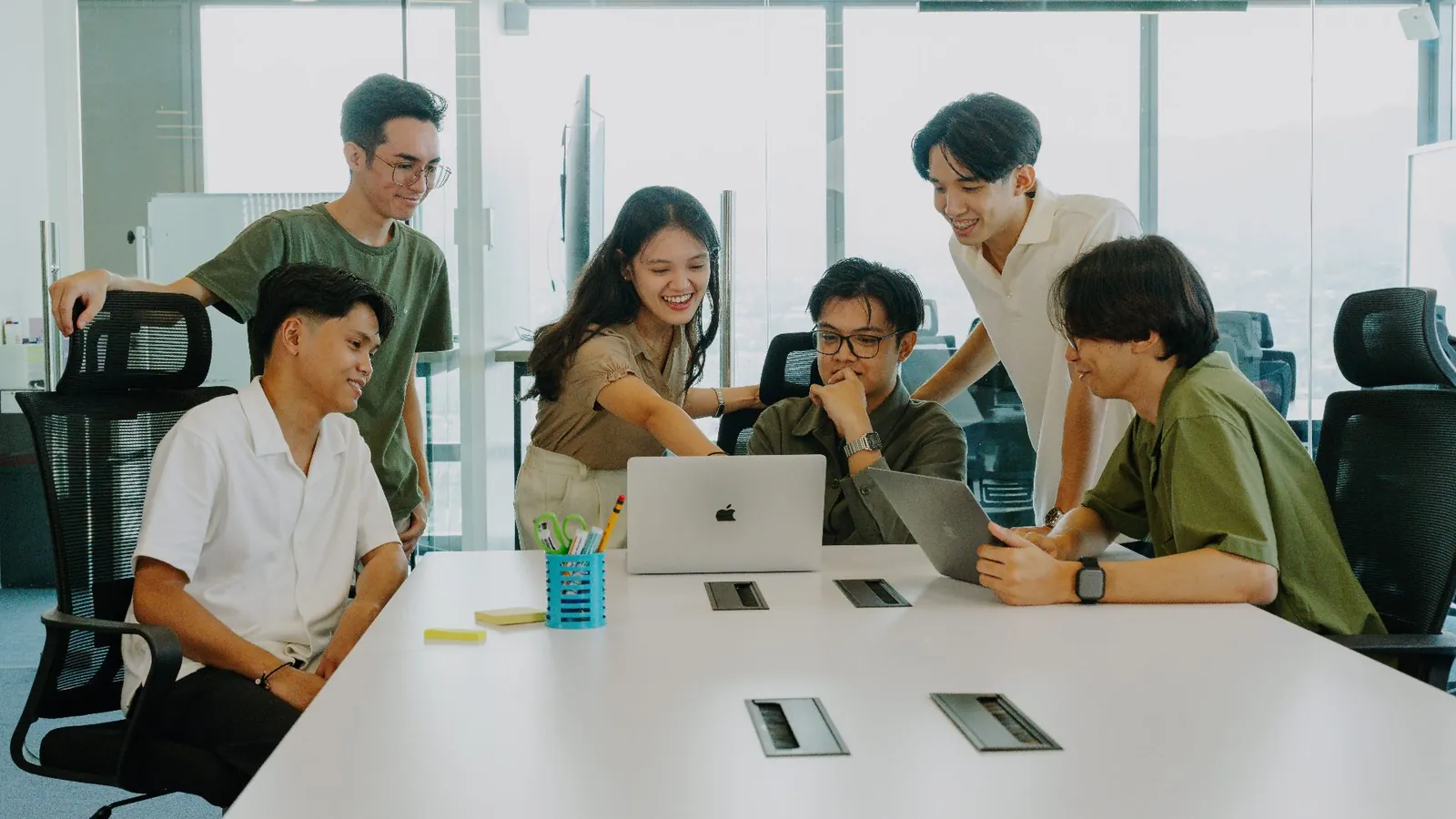
English-fluent by default
The Philippines is the third-largest English-speaking country in the world, and English is the language of business, education, and the internet there. Standups, code reviews, customer calls, and PR comments work the way they do with any U.S. team member.
Real time-zone overlap
Most of our engineers work U.S. business hours with 4-8 hours of real-time overlap with East and West Coast teams, so decisions happen live during shared hours instead of crawling through 24-hour async handoffs.
Deep engineering talent pool
Cebu and Manila produce tens of thousands of CS and IT graduates a year. Two decades as the offshore home for the Microsoft stack, modern JavaScript, dedicated mobile app developers, and SaaS engineering has built a senior bench that is hard to find anywhere else at this price point.
Cultural alignment with U.S. teams
Filipino engineers grow up on U.S. business norms, U.S. TV, and U.S. tech culture, so agile rituals, direct feedback, and collaborative workflows feel familiar from day one. These teams integrate fast instead of needing constant management.
The retention model behind the number
Most tech teams lose 13 to 15 percent of their engineers a year. We lose about 7 of every 100. That gap comes from five choices most offshore shops skip, because getting them right costs money. The full breakdown is in our developer retention post, and here is the short version.
Full-time employees with real benefits
Our developers are full-time Full Scale employees with health coverage for their families, paid time off, and the 13th-month pay that's standard in the Philippines. People keep a job they want to keep, and contractors behave like contractors.
They join your team for years
Traditional outsourcing rotates people across projects, so nobody on the team has a reason to care about your product six months from now. Our engineers join your standups, your Slack, and your planning, and they stay on your roadmap.
Pay at the top of the local market
Our developers earn at the top of the local market, and a senior engineering salary in the Philippines is a life-changing career. People don't walk away from life-changing. Most offshore shops race to the bottom on pay and then act surprised when engineers leave for a 10% raise.
A manager who owns engineer happiness
Every engagement gets a Customer Success Manager whose job is half about the client and half about the engineer. They have the conversations neither side can have directly, before those conversations turn into resignations.
Careers that keep growing
Developers leave when they stop learning, so engineers rotate across projects and stacks and keep growing without changing employers. One of our developers started writing PHP and now leads React Native work. That growth is a big part of why 95% of our team rates Full Scale a great place to work, compared to 65% at a typical company in the Philippines.
A time zone difference that works in your favor
Most offshore teams struggle because their schedules fight the work. Your team is asleep when theirs is online, decisions take 24 hours to make, and by the time the offshore engineer asks the clarifying question the sprint is already over. The Philippines has the right geography for U.S. overlap, but geography alone doesn't fix the schedule problem. What fixes it is how you design the model around that overlap.
The mid-shift model
Full Scale designs overlap on purpose. Your developers work a mid-shift schedule built to balance two things: real-time collaboration with your U.S. team, and uninterrupted build time for the deep work. Most engineers are online from roughly mid-afternoon through late evening Philippine time, which puts them in your standups, your design reviews, and your incident channels live.
- Work progresses while your U.S. team is offline, and there's a real handoff at the end of the day instead of a black hole
- Decisions happen live during shared hours, not 24 hours later
- Context carries forward cleanly because the same engineer is in the conversation when the question gets answered
- Meetings shrink, output grows, because async plus overlap beats full overlap with constant interruption
Hiring is the easy part. Retention is what kills offshore programs.
Most software development outsourcing companies in the Philippines can recruit. The hard part shows up six months in, when the engineer who finally ramped up gets recruited away, or when the staffing model has them on three projects at once, or when the contract structure makes it impossible to integrate them into your real team. Almost every one of those failures traces back to hiring offshore for cost alone, what our founder calls cheapshoring. Here is what we test for instead, and what most offshore staffing companies skip.
Communication beyond English fluency
English fluency is table stakes. What separates teams that ship is engineers who can write a clean ticket comment, explain a tradeoff in async chat, and ask the right clarifying question instead of guessing. We vet for written communication, not just spoken.
Ownership over ticket-taking
Most offshore staffing models train engineers to wait for tickets. The good ones flag the bad ticket, propose a better approach, and ask whether the work should happen at all. That is what we train for, and it is why our offshore teams operate like extensions of your team instead of contractors.
Retention systems, not retention luck
The reason our retention sits at 93%+ while the offshore industry runs 30 to 50 percent churn is not that we got lucky on hiring. It's the retention model covered above: real employment, top-of-market pay, career paths, and a Customer Success Manager who fights for the engineer when something gets weird with a client.
Time-zone overlap by design
The mid-shift schedule, the overlap windows, and the way handoffs are structured are things you build into the model up front. Most offshore agencies just hand you a developer in a different time zone and hope it works out.
Vetting for architecture, not syntax
Anyone can pass a coding challenge. We test for system design, debugging in production, and the judgment calls that separate a 5-year engineer from a 5-month one with a certification. Fewer than 3% of applicants make it onto our bench. Most offshore providers test for syntax because syntax is easy to test.
Continuity when an engineer leaves
When an engineer does leave, the model has to absorb it without your roadmap stopping. Documented context, paired knowledge, a backfill bench that's already trained. The providers that promise retention rates without explaining the continuity model are setting you up for the bad version.
Dedicated developer, or full dedicated team
Most clients start with one engineer and grow into a full team. Either way, you get full-time Filipino developers who sit on your standups, work your hours, and ship code against your roadmap. These aren't freelancers, they aren't shared between clients, and they aren't sitting at a project shop on the side. The model is staff augmentation, the same one we run when you hire dedicated developers across any stack.
Dedicated developer
Full-time, exclusive, sits on your standups.
- Full-time engineer in the Philippines assigned only to your project
- Works your hours, your tools, your codebase
- Joins your standups, reports to your tech lead
- We handle payroll, HR, equipment, retention
- Replace within 30 days if it isn't a fit
Dedicated team
A full pod of Filipino engineers, embedded with your product.
- Full pod, sized to your roadmap (typically tech lead + engineers + QA)
- Embedded with your product and design teams
- Works your hours, your tools, your codebase
- We handle payroll, HR, equipment, retention
- Scale up or down by a head with 30 days notice
How to hire a developer from the Philippines through Full Scale
We don't run 3-6 week recruitment cycles or source from cold. Our bench of remote developers in the Philippines is already built and vetted. Every step below is real, and every step has a named owner on our side.
Discovery call
30 minutes with our team. We learn your stack, your roadmap, the seniority level you need, and the kind of work the engineer will be doing in the first 90 days. We skip the sales pitch on the call. It's a working conversation about what you're building.
Engineer match
We pull 1-3 pre-vetted Filipino engineers from the bench whose skills, seniority, and prior project experience line up with what you described. You see their full profile and their actual project history.
Technical interview
You interview the candidates the way you would interview any senior hire: live coding, system design, and the gotchas that matter for your stack. Pass on anyone you don't believe in.
Contract & onboarding
Sign once. We handle every contract, payroll, equipment, and HR detail in the Philippines, so you don't have an offshore entity to manage. You just get a developer.
First commit
Your developer joins your standups, gets repo access, and ships code in their first week. Our delivery managers stay involved so ramp-up doesn't stall.
Full Scale vs the other ways to hire developers from the Philippines
Every hiring path has trade-offs. Here is how a Full Scale dedicated developer compares against the alternatives most teams consider first.
| Feature | Full Scale | Freelancer / Upwork | Traditional offshore agency | U.S. recruiter / FTE hire |
|---|---|---|---|---|
| Pre-vetted senior bench in the Philippines | ||||
| Time to first hire | 7 days | 1-3 days | 3-6 weeks | 6-12 weeks |
| Dedicated full-time, not shared | ||||
| Founder-led, hands-on partner | ||||
| Sits on your standups, in your tools | ||||
| Long-term retention | 93%+ | low | varies | varies |
| 30-day replacement guarantee | ||||
| Payroll, HR, equipment handled | ||||
| U.S.-based account management | n/a | |||
| Typical fully-loaded cost vs U.S. | ~40-50% | varies | ~50-65% | 100% |
From the people we actually staff Filipino teams for
Full Scale's development team was pivotal in elevating our facility management software. Their expertise turned complex challenges into seamless functionalities, enhancing user experience and operational efficiency.

Full Scale isn't just about filling gaps, they're about understanding your mission and amplifying your ability to succeed.

Deeper guides to hiring developers in the Philippines
The CTO's complete guide to offshoring to the Philippines
When offshoring works, how to structure the contract, and the parts that decide whether the team actually ships.
What makes the best offshore developers
Why Filipino engineers became the offshore hire for SaaS and U.S. enterprise teams, and how to spot the good ones.
Why outsource software development to the Philippines
The buyer's case for outsourcing software development to the Philippines, broken down by cost, talent, and risk.
What a Filipino software engineer actually costs
Real salary ranges in the Philippines and how the fully loaded rate compares to a U.S. hire.
Philippines vs India for offshore software development
A side-by-side on English fluency, time zones, retention, and the cost tradeoff.
The offshore developer due diligence checklist
How to vet an offshore developer and partner before you hire, from someone who has placed 1,000+ Filipino engineers with U.S. teams.
Everything you wanted to know about hiring developers in the Philippines
Hire a Filipino developer who has actually shipped production code before
30-minute discovery call with our team. We'll learn what you're building, walk you through who's on the bench in the Philippines right now, and you'll meet candidates within a week. There's no pressure and no sales pitch on the call.