

"One team." No distinction by geography, ever
A conversation with Nick Ide, VP of Software Engineering at Ascend Learning, on finding consistency in engineering talent across a large, multi-stack organization, and why his team's mantra is that where an engineer sits shouldn't matter at all.
Plenty of partners sell capacity. Few sell consistency
Ascend Learning's engineering organization spans Python, .NET, Angular, and more, with specialized teams covering each technical area across the company's education technology portfolio. Before Full Scale, Nick's problem wasn't finding engineering capacity, plenty of partners could offer that. It was finding consistency against a specific bar.
His hiring philosophy runs on three criteria: the right technical skills, the right mindset and attitude, and engineers who genuinely love collaborating in a team environment. Some strong individual contributors struggle with the third one, and a lot of staffing partners never screen for it at all.
"One team." Full stop.
Other offshore stories talk about integration, engineers who feel like part of the team despite being remote. Nick's framing goes further. At Ascend Learning, there's no category for where an engineer sits at all, and it's a mantra the company applies every day, not a talking point for a case study.
Full Scale team members work alongside Ascend Learning's in-house engineers, committed to the same objectives, features, and platform stability as everyone else on the team.
"We believe that there really isn't a distinction that exists within the team structure based on geography. It's one team, that's a mantra that we employ every day."
— Nick Ide, VP of Software Engineering, Ascend Learning
One mantra, applied daily
Ascend Learning doesn't put anyone in a box. Full Scale engineers are committed to the same objectives, features, and platform stability as everyone else.
Proactive, not silent
The engineers speak up on how work should be done, not just what should be done, even when it's hard to be the voice in a room full of talented people.
Easy operationally
Onboarding, billing, and infrastructure procurement were simple and well supported from day one.
Culture fit, not just capacity
Nick's read on the market: plenty of partners sell engineering capacity. Fewer go beyond that to get the culture fit right too.
"Full Scale has always been willing to communicate, collaborate, and have a positive impact."
— Nick Ide, VP of Software Engineering, Ascend Learning
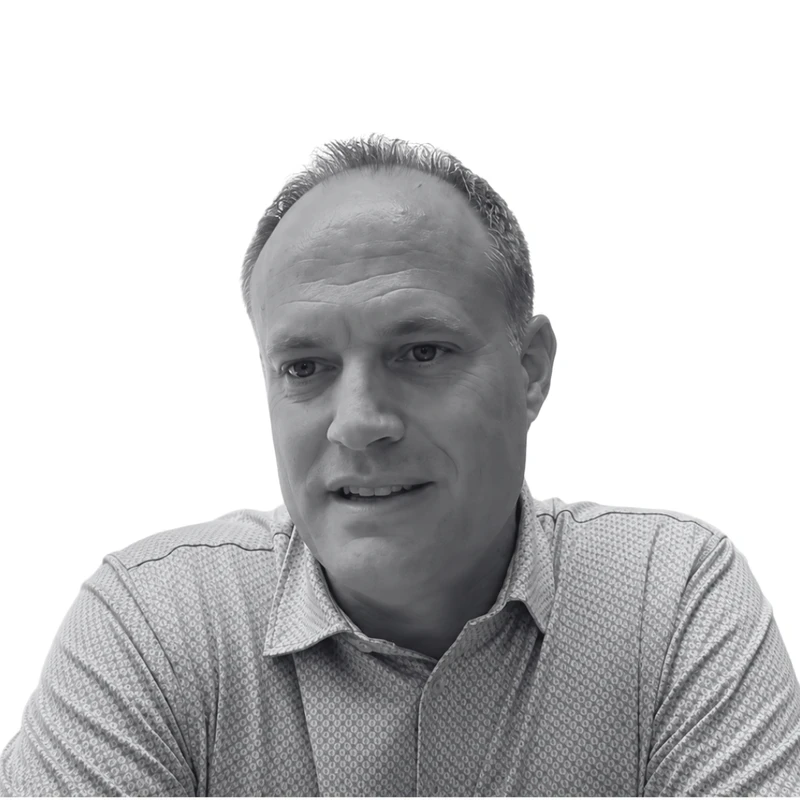
"There's a lot of partners willing to give you talent or engineering capacity. But to find ones willing to go above and beyond and make sure the culture fit is right, that was what I was looking for."
— Nick Ide, VP of Software Engineering, Ascend Learning
A ~600-person engineering org, spanning healthcare certification to higher ed
Ascend Learning is a technology-based educational solutions company serving healthcare and other licensure-driven professions, with a portfolio that includes ATI Nursing Education, the National Healthcareer Association (NHA), BoardVitals, and Jones & Bartlett Learning. Its product and engineering organization runs roughly 600 people.
Nick Ide is VP of Software Engineering, overseeing engineering across Ascend's varied technology teams. His hiring bar of skills, mindset, and collaboration ability applies to every stack in the portfolio, not just the ones Full Scale staffs.
Transparency you don't have to ask for
Nick specifically credits visibility into available talent, unprompted, as something that helped his team make the right staffing decisions without extra friction. He didn't have to ask for it. It was just already there.
Beyond the engineers themselves, onboarding, billing, and infrastructure procurement were simple. That operational ease is easy to overlook next to the talent story, but it's what let the engagement scale across multiple specialized teams without friction.
"The transparency through the talent identification process was something I really appreciated. It was just already there, accessible to us."
— Nick Ide, VP of Software Engineering, Ascend Learning
Engineers who contribute, not just execute
Nick's sharpest point on talent quality is about proactive contribution versus passive execution. He's candid that speaking up is genuinely hard, even for skilled engineers surrounded by other talented people, and he singles out the Full Scale team for doing it anyway, remotely.
That's the difference between an engineer who executes tickets and one who improves the plan before it ships. Nick says his Full Scale engineers do the second, consistently.
"The engineers were very communicative and willing to jump in with their input, not only on what should be done, but how it should be done."
— Nick Ide, VP of Software Engineering, Ascend Learning
Bring a clearly defined need, they'll have the people
Nick's closing framing is simple and practical: Full Scale as a partner that actually has the bench to match a clearly defined need, across a wide range of specialized stacks.
"If you've got a need that's clearly defined and the technical skills to solve the problems you have, they've got the people for you to do that."
What other engineering leaders can take from how Ascend Learning staffed
Erase the distinction, don't just tolerate it
Most offshore stories defend the model despite geography. Ascend Learning's mantra is that geography shouldn't be a category at all, a sharper version of the same point.
Hire for three things, not one
Nick's bar: the right skills, the right mindset and attitude, and the ability to collaborate. Individually strong engineers who can't collaborate still miss the bar.
Transparency is its own differentiator
Visibility into who's available, without having to ask for it, is a concrete claim that's easy to overlook next to "great communication."
Proactive engineers beat silent order-takers
Nick is candid that speaking up is hard even for skilled engineers. He singles out the Full Scale team for doing it anyway, remotely.
One account, multiple stacks
Ascend Learning's engineering org spans Python, .NET, Angular, and more, with Full Scale engineers embedded across specialized teams, not one narrow niche.
Culture fit is the harder sell
Plenty of partners will sell you engineering capacity. Nick was looking for a partner willing to go beyond that and get the culture fit right too.