

He'd been burned by offshoring before. Now you'd think they'd always been here
A conversation with Jason Flowers, Head of Software Engineering and DevOps at AG Mednet, on trying offshoring in India and nearshoring in Latin America before the Philippines, why his Full Scale QA team integrated so completely he forgets they're remote, and getting the testing he needed at a fraction of the cost.
A demanding roadmap on a small company's budget
AG Mednet is a small company, and it can't always source engineers locally in Boston against a roadmap that always wants more. Jason had spent years looking for the most efficient way to build and ship on time.
He'd tried the obvious answers. Offshoring to India in earlier roles often broke down on time zones and coverage. Nearshoring to Latin America worked, but he wanted more capacity for similar dollars. And the immediate constraint was QA: a testing bottleneck he needed to clear without paying developer rates to do it.
A demanding roadmap, limited local capital
AG Mednet is a small company that can't always source engineers locally in Boston, with a roadmap that always needs more hands than the budget allows.
Offshoring had disappointed before
Earlier in his career, offshoring to India often broke down on time zones and overnight coverage. Jason carried real scar tissue into the search.
Nearshore was costly for the output
He'd nearshored to Latin America and went looking for something more efficient: more capacity for similar dollars spent.
A QA bottleneck slowing releases
Testing was the constraint. The team needed reliable QA capacity it could trust, without spending developer-level money to get it.
"For the same cost as one developer nearshore in Brazil, I can get two QA people at Full Scale."
— Jason Flowers, Head of Software Engineering and DevOps, AG Mednet
The thing people fear about offshoring never showed up
Jason wasn't new to working with teams in other countries. He'd offshored to India and nearshored to Latin America in past roles, and a lot of it hadn't worked out. So he came into the Full Scale engagement expecting the usual friction: a them-and-us divide, communication gaps, work that comes back not quite right.
It ran the other way. The engineers attend the daily standups, communicate well, and their input on estimates is genuinely valued. There's no line between "the Full Scale guys" and the team. They're simply part of the QA team, to the point that the distance stops being something he thinks about.
"Other than the fact that they're not physically here with us, you would think that they've always been working with us."
— Jason Flowers, Head of Software Engineering and DevOps, AG Mednet
Embedded, not handed off
The Full Scale engineers attend the daily standups, weigh in on estimates, and their opinions carry weight. They work the team's hours from the Philippines.
No them-and-us
There's no "the Full Scale guys" and then "the team." Day to day, they're just part of the QA team, indistinguishable from anyone in-house.
He'd been burned before
Jason had offshored to India and nearshored to Latin America in past roles. Those didn't stick. This one did, and that's the part he didn't expect.
Full-time people, a stable team
Full Scale's engineers are full-time employees who are treated well, so Jason had the assurance his people wouldn't get swapped out from underneath him.
"It's right for folks who've failed at offshoring before. They haven't tried Full Scale in the Philippines. Give it a try again."
— Jason Flowers, Head of Software Engineering and DevOps, AG Mednet
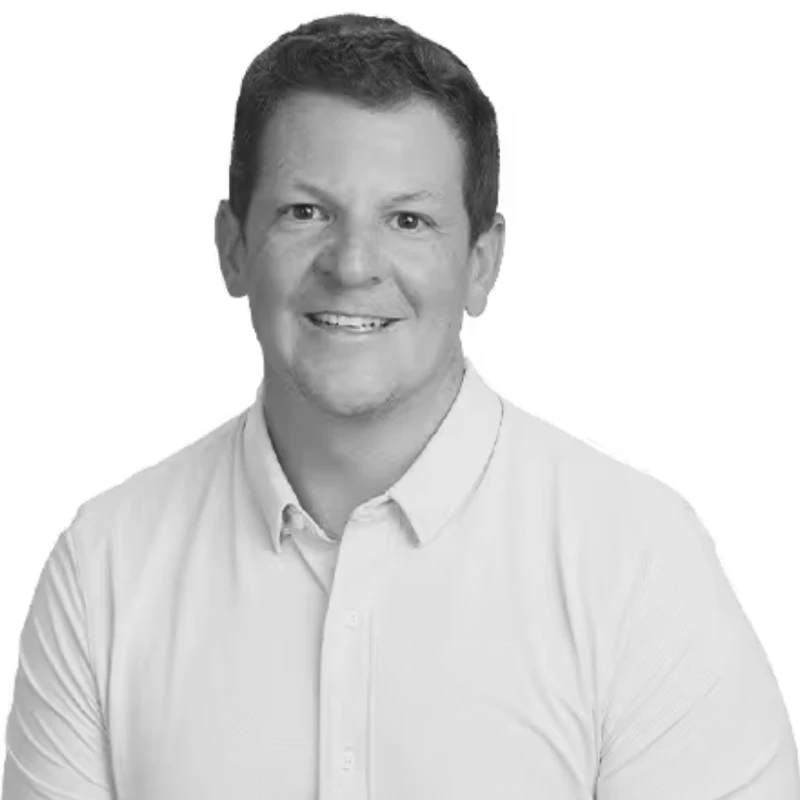
"We've had a couple of guys on the team for almost a year and a half now, and they've been great."
— Jason Flowers, Head of Software Engineering and DevOps, AG Mednet
Software that helps clinical trials run smoother
AG Mednet builds Judi, a process-management platform for the clinical trial space. Instead of moving documents around by email and Word files, trial sponsors organize everything in one place, integrate with the tools they already use, and lean on AI to make trial tasks more efficient.
The stakes are real. Every day of the FDA approval timeline affects a sponsor's bottom line and how quickly a drug reaches the people who need it. Software that lets a trial run smoother is tied directly to that clock.
Jason Flowers leads software engineering and DevOps. Everything that ships to production for the platform, the quality, the infrastructure, the releases, falls under his umbrella.
Embedded QA that ramped fast and costs a fraction
Full Scale's model is staff augmentation: senior engineers in the Philippines who join the client's team directly, with no project-manager layer in between. For AG Mednet that meant QA engineers embedded in the team to clear the testing bottleneck.
The part Jason didn't expect was the speed of sourcing. For standard QA roles there always seemed to be a strong candidate ready, and once on the team they learned the product fast. They work like a contractor he'd hire in the US, as much as it takes to get the job done, rather than a vendor metering every hour.
QA embedded in the team
Full Scale's QA engineers joined AG Mednet's team directly, in the same standups and the same workflow, not a shop passing work over a wall.
Sourced fast, ramped faster
What surprised Jason most was how quickly Full Scale could put a strong QA person on the team. Once on, they learned the product quickly.
They work like a US contractor
The engineers work as much as it takes to get the job done, dedicated to the goal, not clocking out mid-project or nickel-and-diming every hour.
Quality testing at a fraction of the cost
The testing the team needed came at a fraction of the cost, which freed budget for other roles. AG Mednet is now adding two more QA engineers.
"Their resources resemble a contractor you'd have here in the US. They work as much as it takes to get the job done."
— Jason Flowers, Head of Software Engineering and DevOps, AG Mednet
What sold him was the dedication, not the pitch
When a natural disaster hit the Philippines earlier in the year, the team didn't go quiet. As soon as they had power back, they found a way to get online and keep working, with no one asking them to. Jason heard about it from his own team. That kind of ownership is hard to fake and harder to hire for.
He's just as direct about what Full Scale didn't change. He won't claim the team made AG Mednet ship faster, because that isn't the win. The win is reliable, high-quality testing at a fraction of the cost, which is exactly why he's adding two more QA engineers.
"A lot of people have had bad experiences offshoring to other countries. They'd be pleasantly surprised at how good the English is and the quality of the work."
— Jason Flowers, Head of Software Engineering and DevOps, AG Mednet
Reliability he didn't have to ask for
The biggest surprise wasn't a feature or a metric. It was how quickly Full Scale could source a strong QA person, and how responsible the team turned out to be once they were on.
Reliable, dedicated, and committed to the work without being managed into it. That's how Jason describes the engineers he got, and it's why a staffing arrangement turned into a team he trusts.
Today he'd recommend Full Scale, especially to anyone who tried offshoring once and walked away.
What other engineering leaders can take from how AG Mednet staffed
A bad offshoring experience isn't the whole story
Jason failed at offshoring before and still recommends trying again. The partner and the model matter more than the map.
Staff augmentation means the team is yours
Embedded QA in your standups and your codebase beats a separate shop you hand requirements to and wait on.
QA is where offshore pays off fast
Standard QA roles staff quickly with strong, reliable people. It's often the fastest place to add trusted capacity.
Do the cost math honestly
Two QA engineers for the cost of one nearshore developer changes what the rest of your budget can do.
Stability comes from how the partner treats its people
Full-time, well-treated engineers don't churn off your team. The partner's retention becomes your stability.
Trust the candor
A partner honest about what it can't promise is one you can believe about what it can. Jason wouldn't claim faster shipping, and meant the rest.