





Why offshore Node.js projects fail
Event-driven architecture isn't a buzzword. It's a paradigm. Most offshore developers:
- Ignore proper async error handling
- Don't understand when clustering matters
- Miss the implications of single-threaded limitations
- Implement streams incorrectly
We hire engineers who architect for non-blocking operations from day one.
Speed
Start within 7 days. We've already vetted 300+ engineers.
Quality
95% retention rate means your team actually stays. They learn your codebase and get better every sprint.
Control
Your engineers. Your tools. Your process. We handle payroll and HR.
How we staff Node.js teams
Tell us what your service handles
Throughput requirements, integration needs, database choices, REST or GraphQL.
Meet developers who've scaled production systems
Interview 1–3 engineers experienced with Express, NestJS, or Fastify.
Developers start immediately
We handle onboarding and payroll. Your developer begins writing endpoints within days.
REST & GraphQL APIs
Build scalable APIs that handle thousands of requests with proper error handling and validation.
Microservices Architecture
Design event-driven microservices that communicate efficiently and scale independently.
Real-Time Applications
Build live dashboards, chat systems, and collaboration tools with Socket.io and WebSocket.
WebSocket Services
Implement bi-directional communication for real-time data streaming and push notifications.
Stream Processing
Handle large file uploads, video processing, and data pipelines with Node.js streams.
Serverless Functions
Deploy lightweight functions on AWS Lambda, Azure Functions, or Vercel for cost-effective scaling.
Why top U.S. teams choose Full Scale
Large pool of pre-vetted QA talent ready to start
Built and managed by technical founders who understand what engineering teams actually need
Your testers stay, learn your product, and get better
Certified workplace that attracts and keeps top talent
From first call to active testing in one week
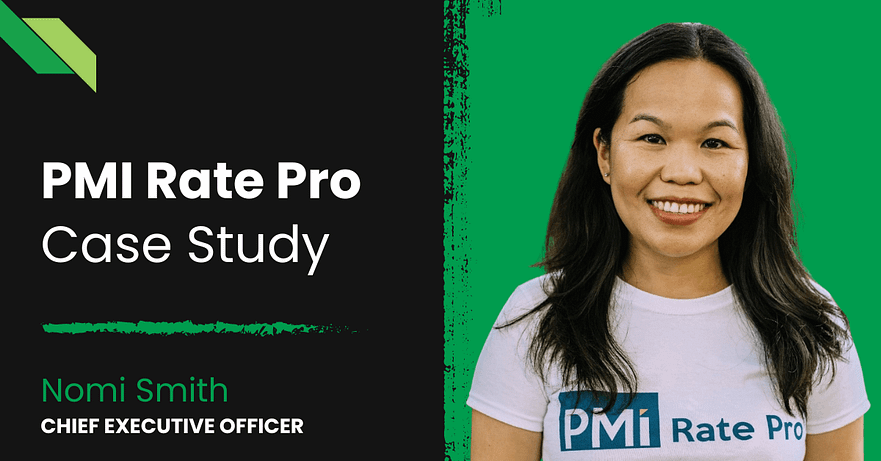

"Full Scale's development team was pivotal in elevating our facility management software. Their expertise turned complex challenges into seamless functionalities, enhancing user experience and operational efficiency. A true game-changer for us."

Luke Wade
Facility Ally
"With Full Scale's developers, we transformed the commercial real estate landscape. Their team's proficiency in agile development and proactive communication accelerated our product release, driving value for our customers."

Jeff Weiner
Real Quantum
"The team at Full Scale brought our vision to life with their impeccable development skills. They helped us navigate through our technical requirements with ease, resulting in a robust platform that our users trust and prefer."

Nomi Smith
PMI Rate Pro
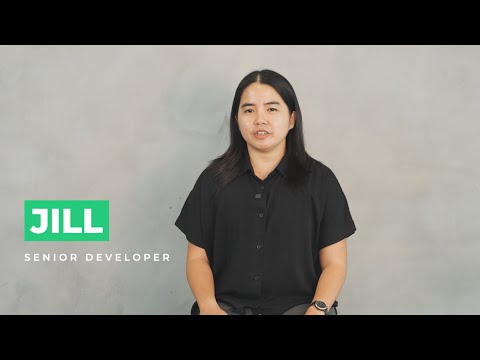
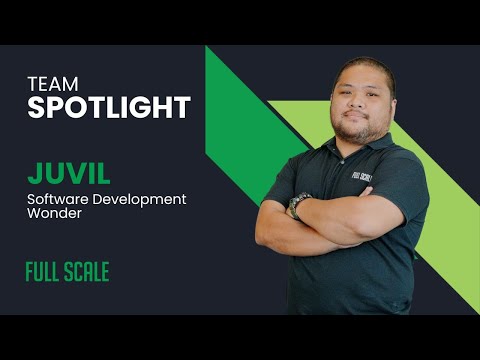
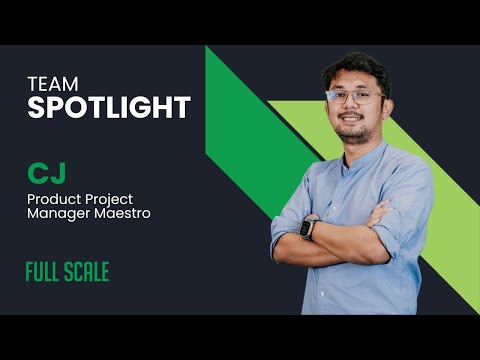
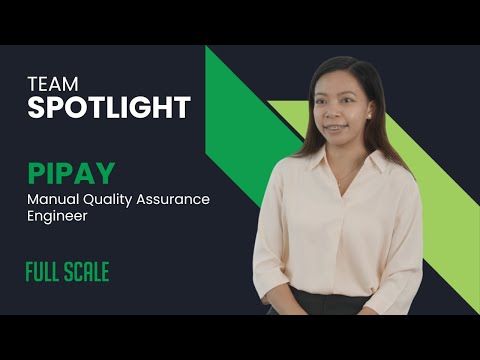
Meet some of our team
Get to know the talented engineers and specialists who power our clients' success.




Frequently Asked Questions
Everything you need to know about working with Full Scale's dedicated engineering teams.